Originally published on September 6, 2025
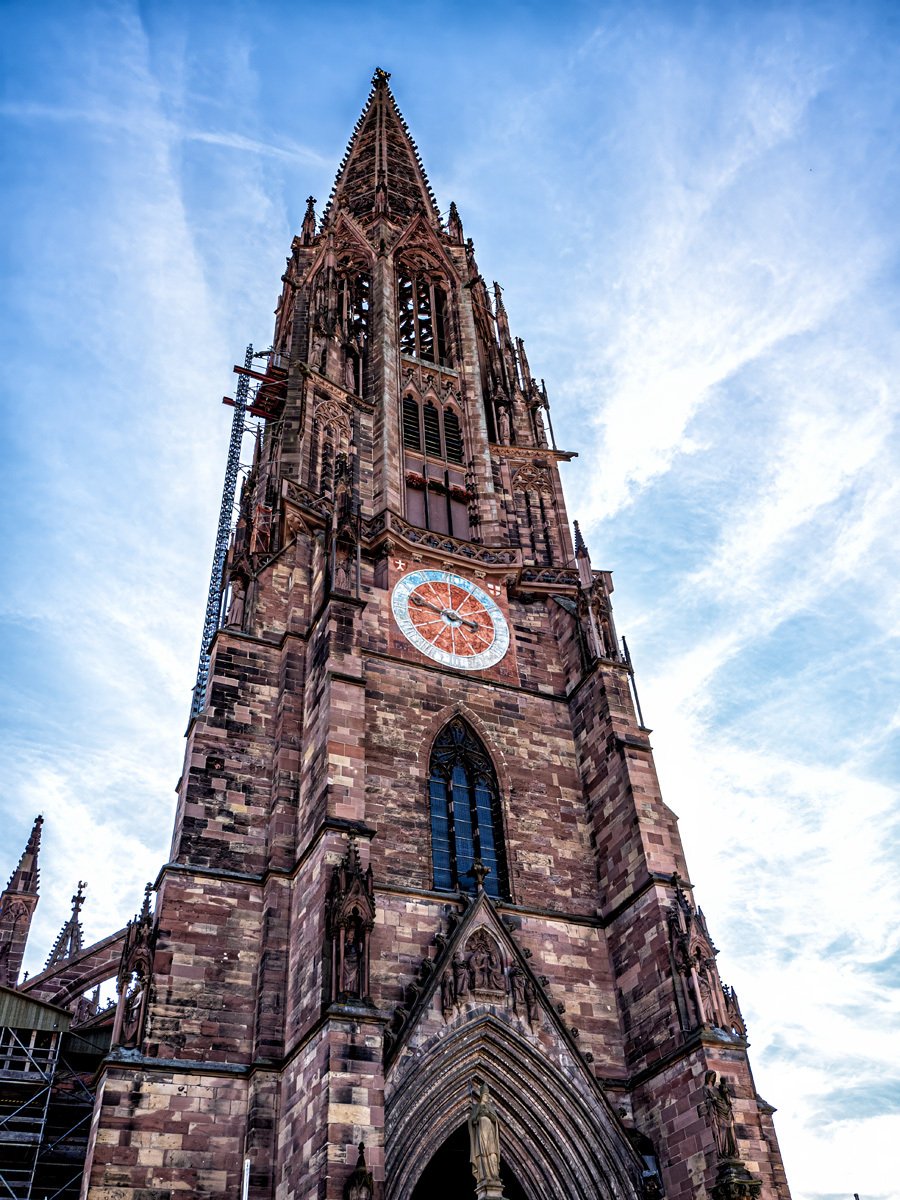
Does “historical Freiburg” really exist? Outside of the Münsterplatz, the answer seems to be not really. The British bombing raids of World War II in November 1944 flattened most of the city. Freiburg was hit because of its location near key transport lines and its role as a supply hub—though many argue it was more symbolic than strategic. Miraculously, the cathedral itself survived the air raid, standing tall amidst the rubble.
We started the day with a decent hotel breakfast ☕🥐, and then tried (unsuccessfully) to summon an Uber to the cathedral. Since none were available, we drove downtown and tucked the car into a parking ramp right where we wanted to be. Lucky break! Saturday is market day in Münsterplatz, the square that forms the heart of the old town. Stalls selling flowers 🌸, produce 🥬, sausages 🌭, and cheese 🧀 lined the cobbles, buzzing with locals stocking up for the weekend.
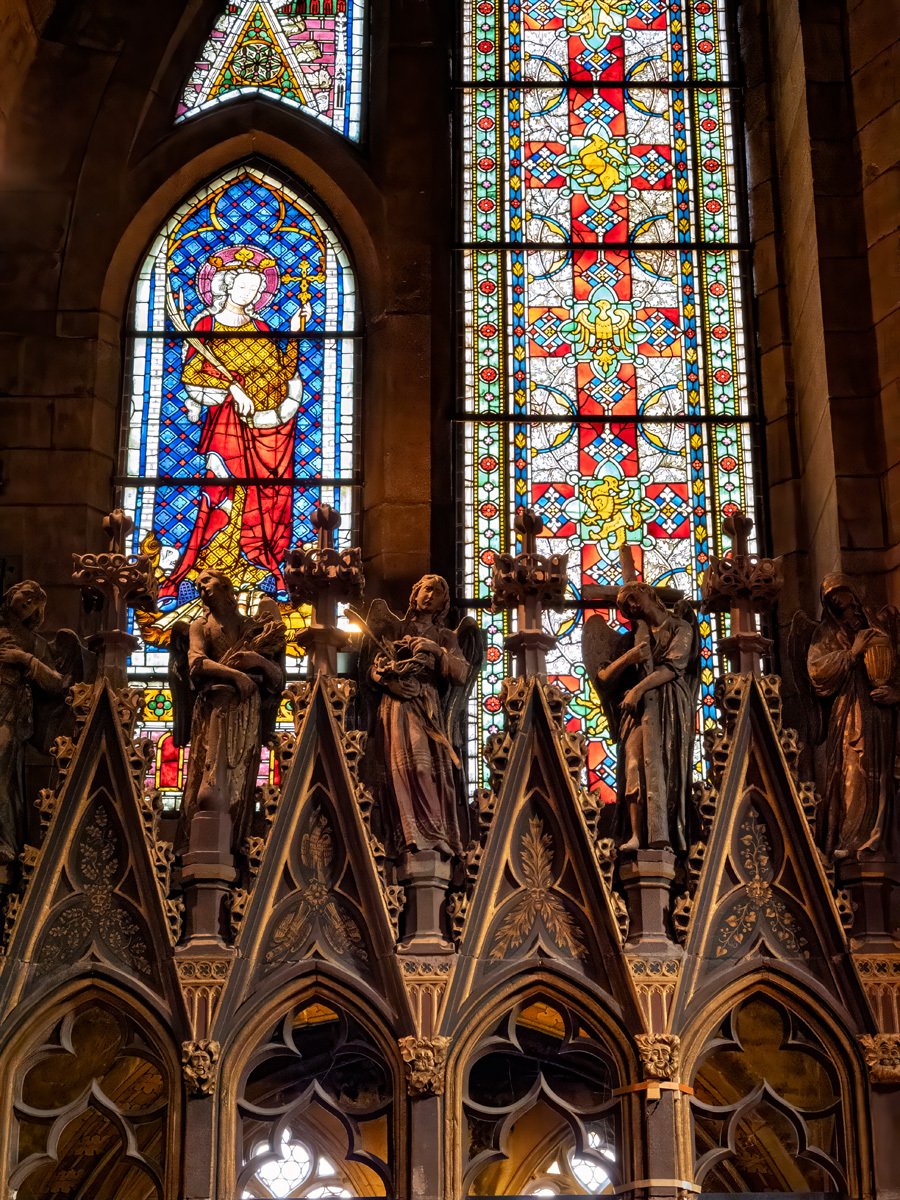
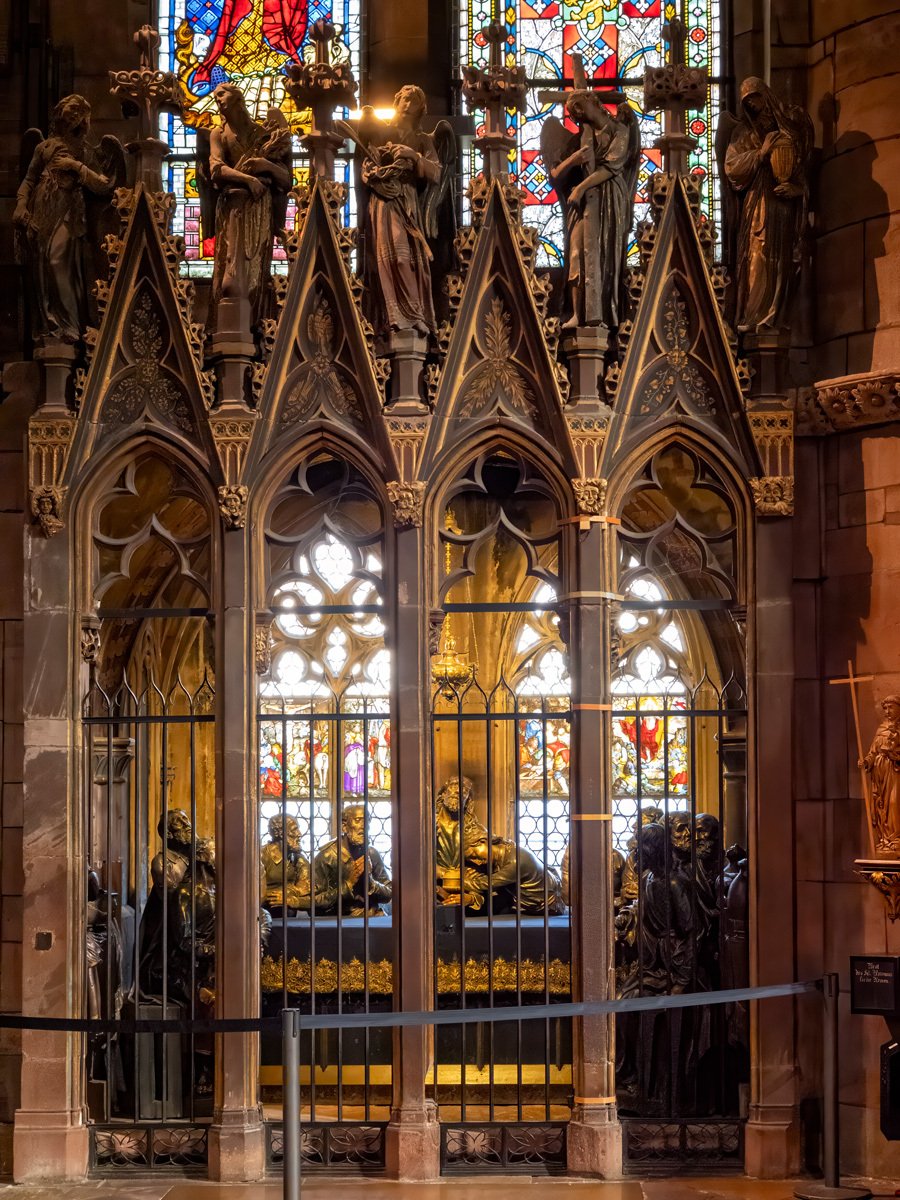
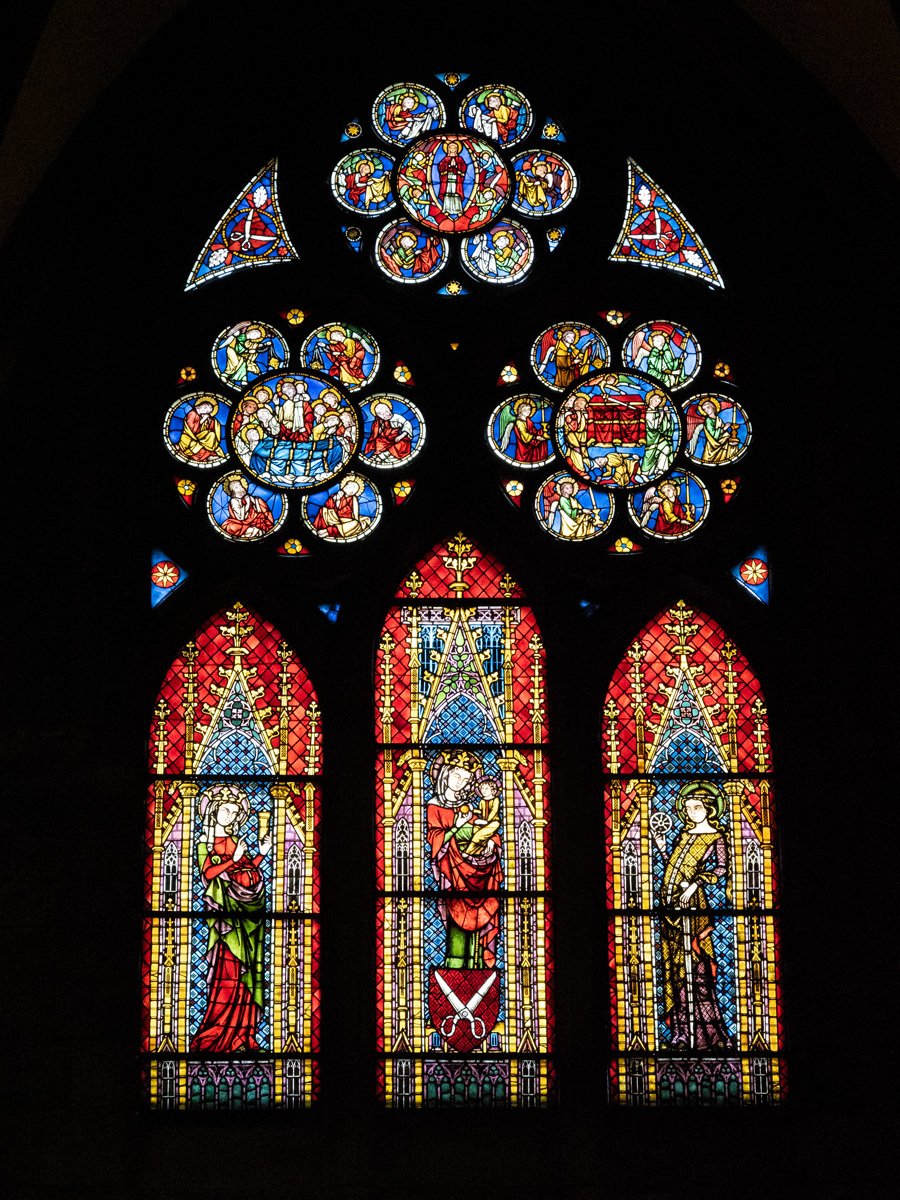
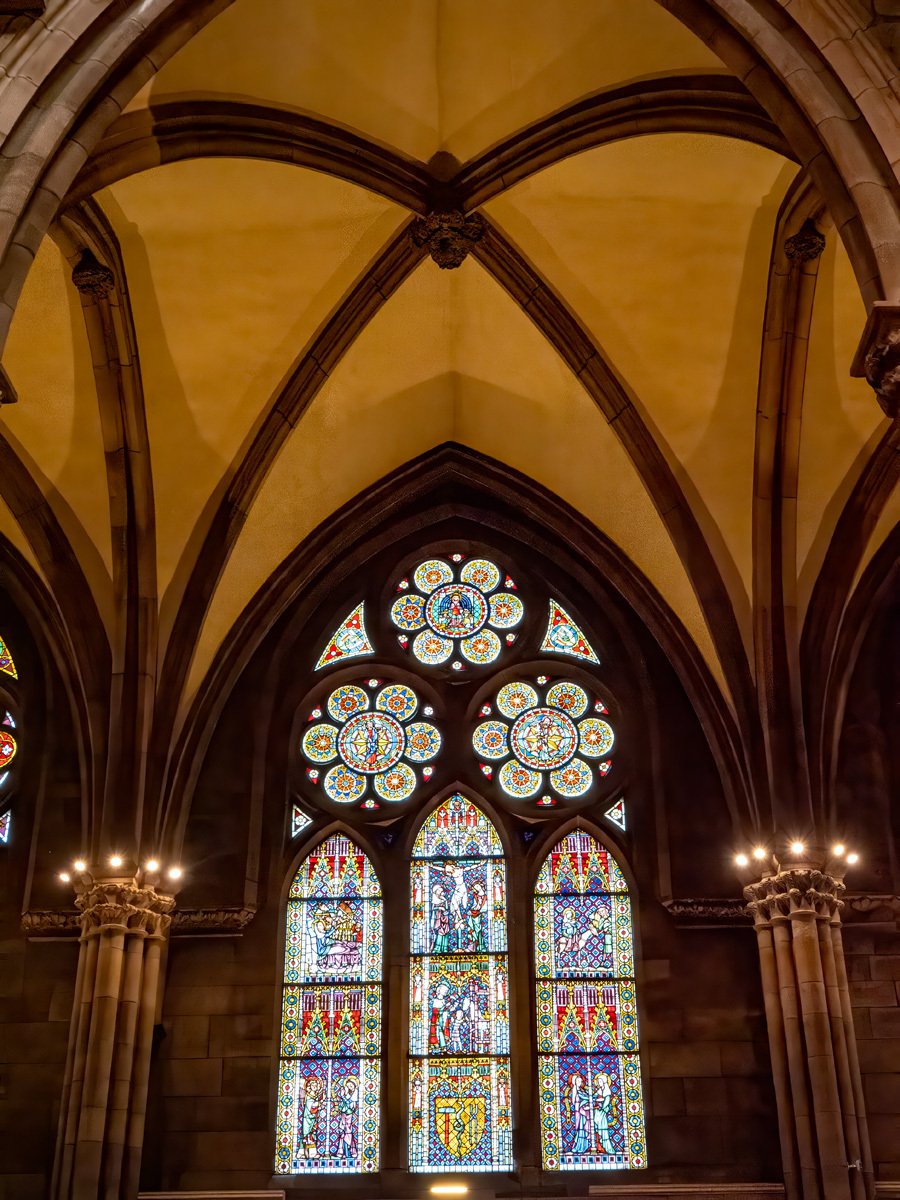
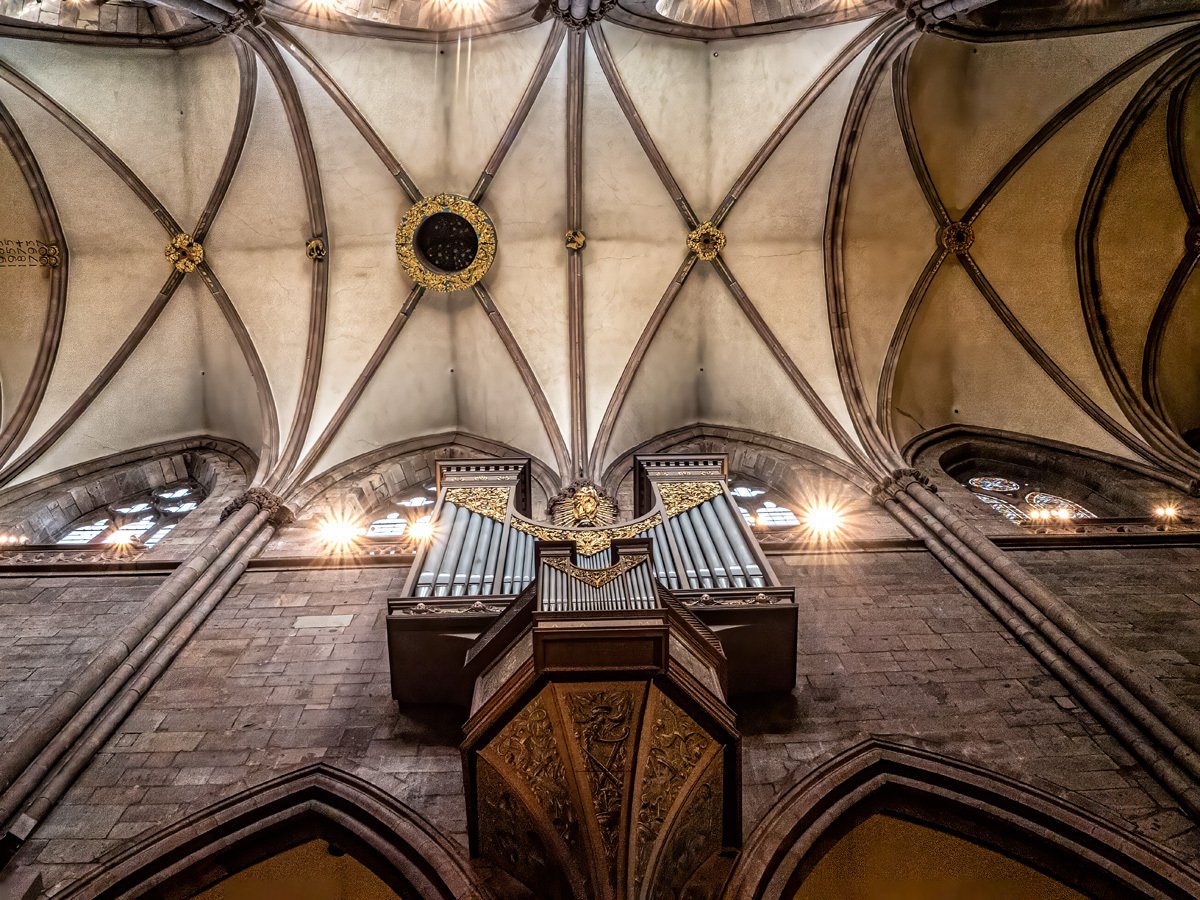
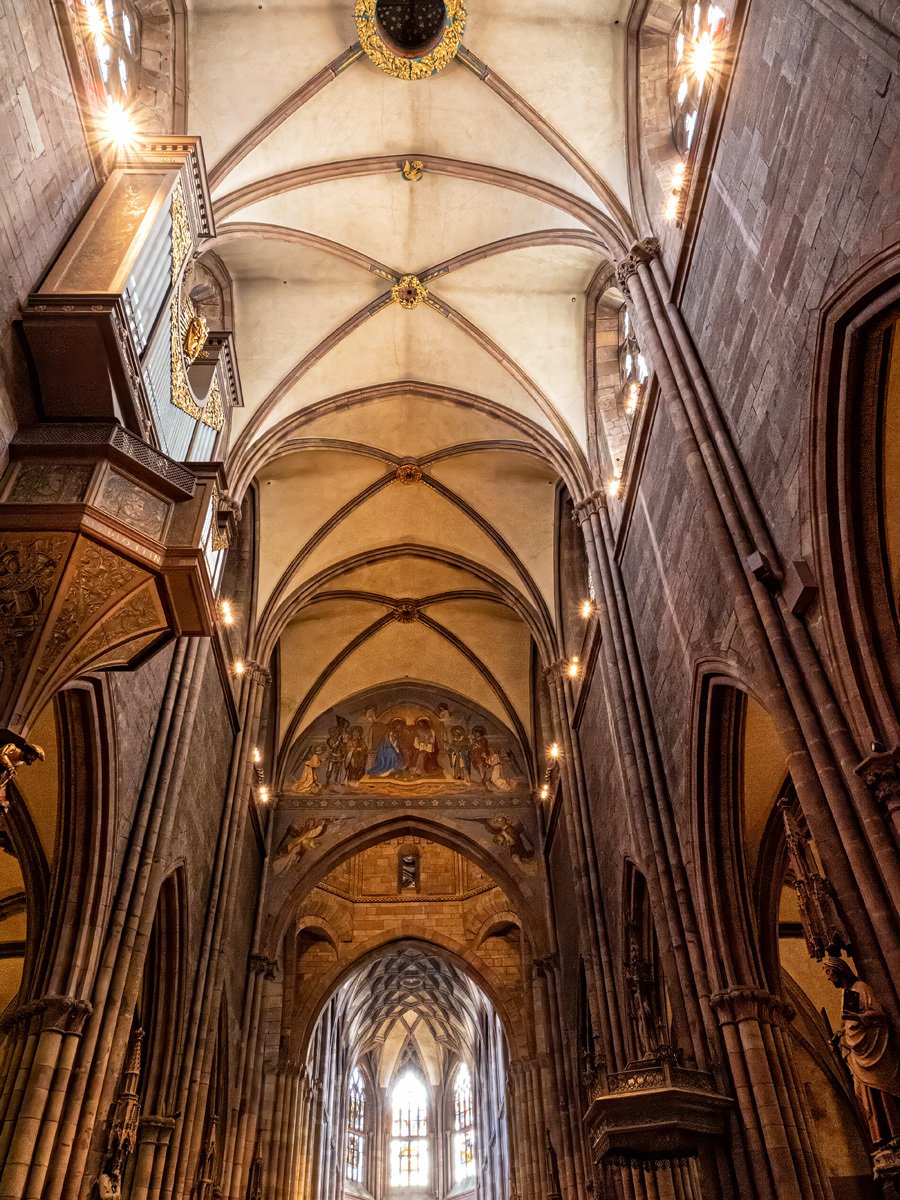
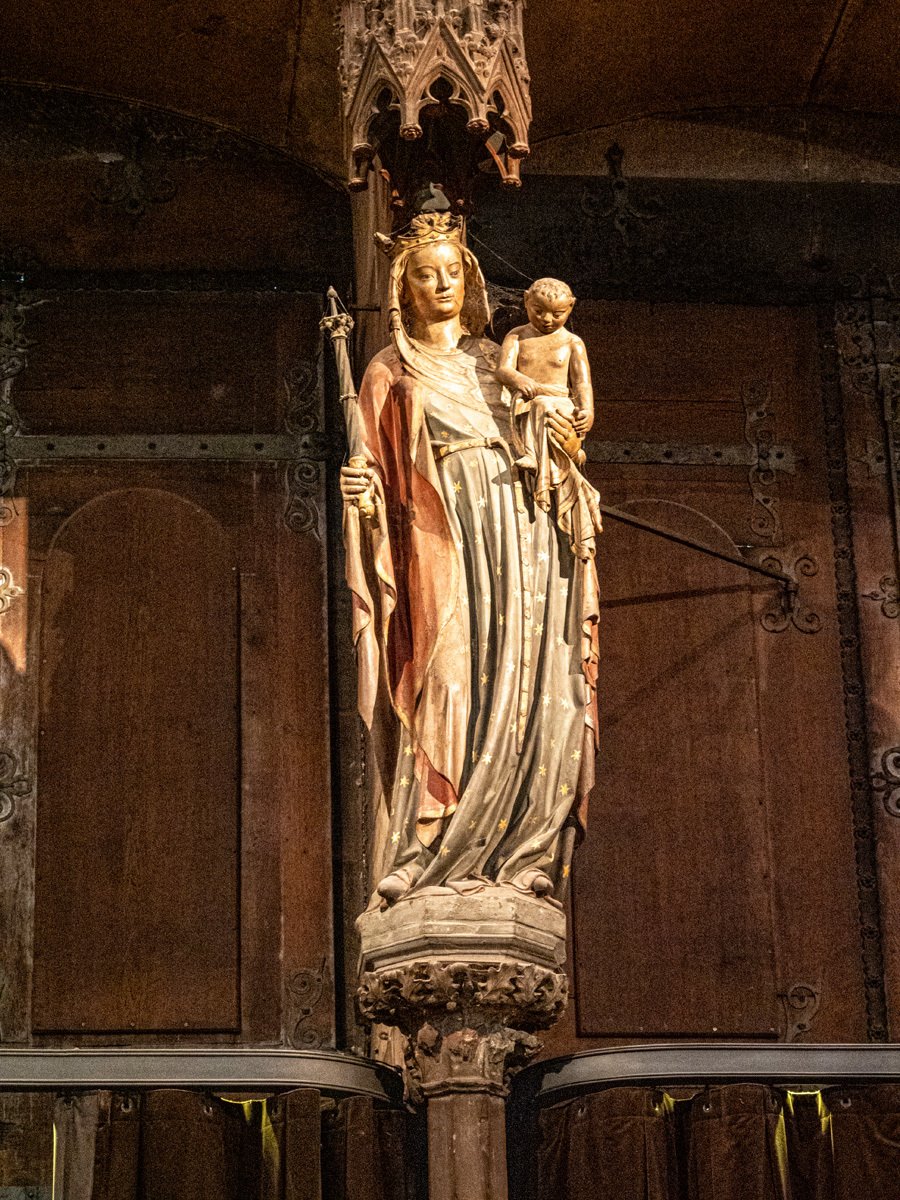
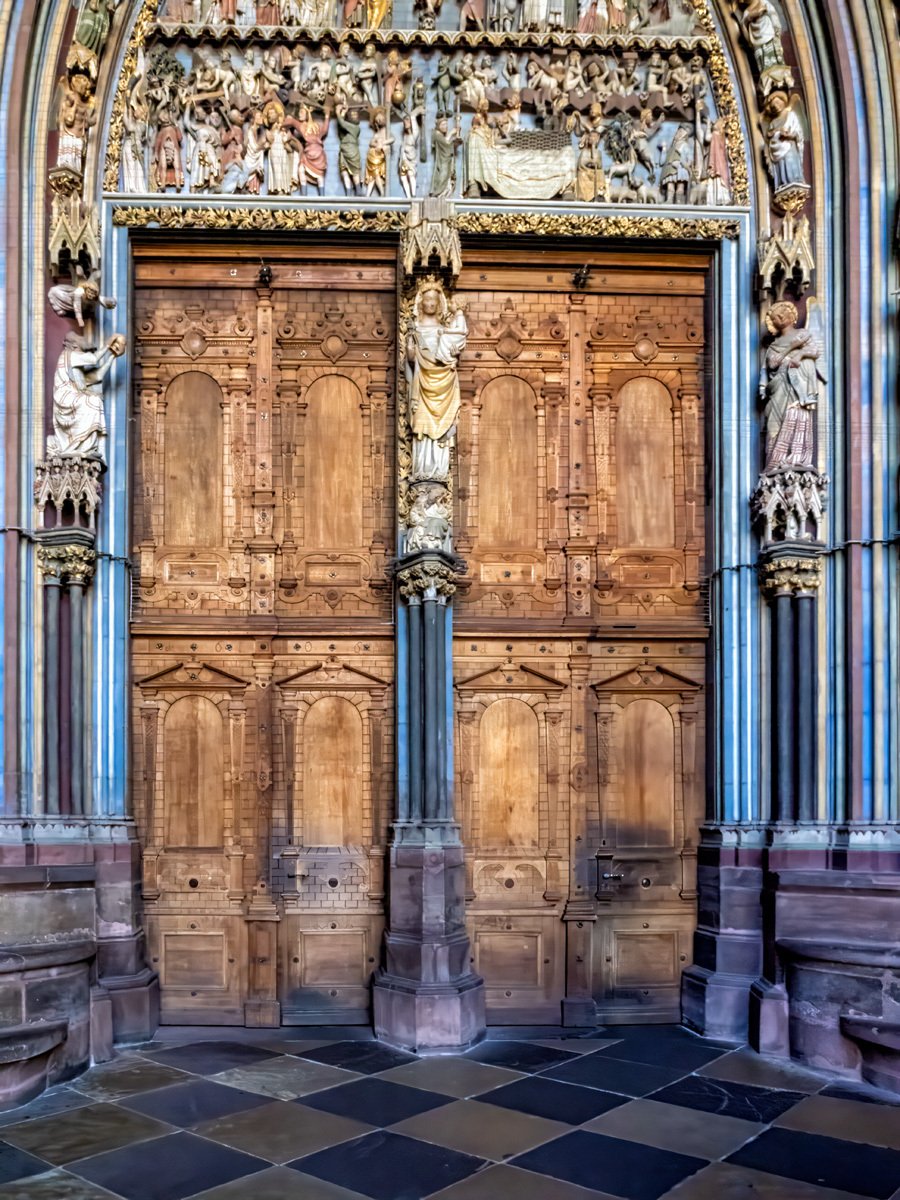
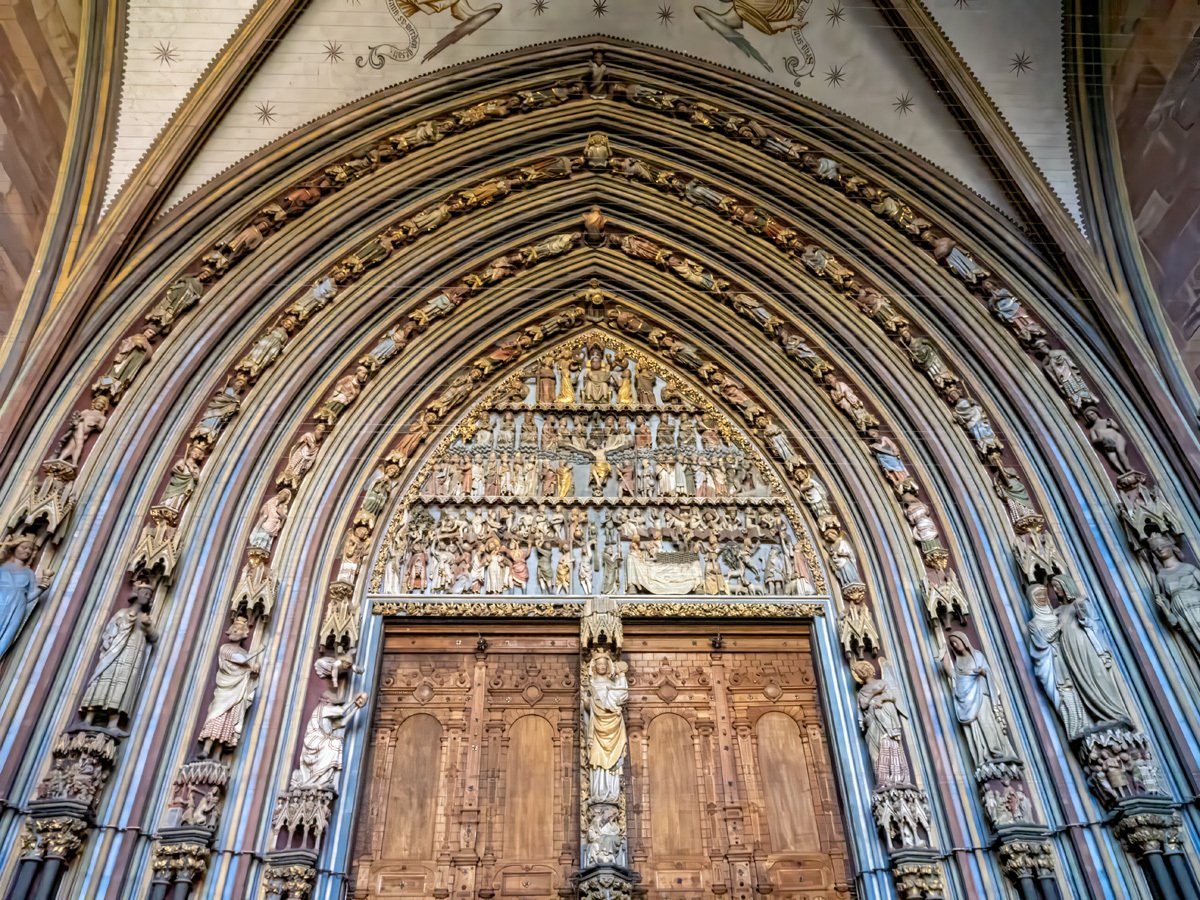
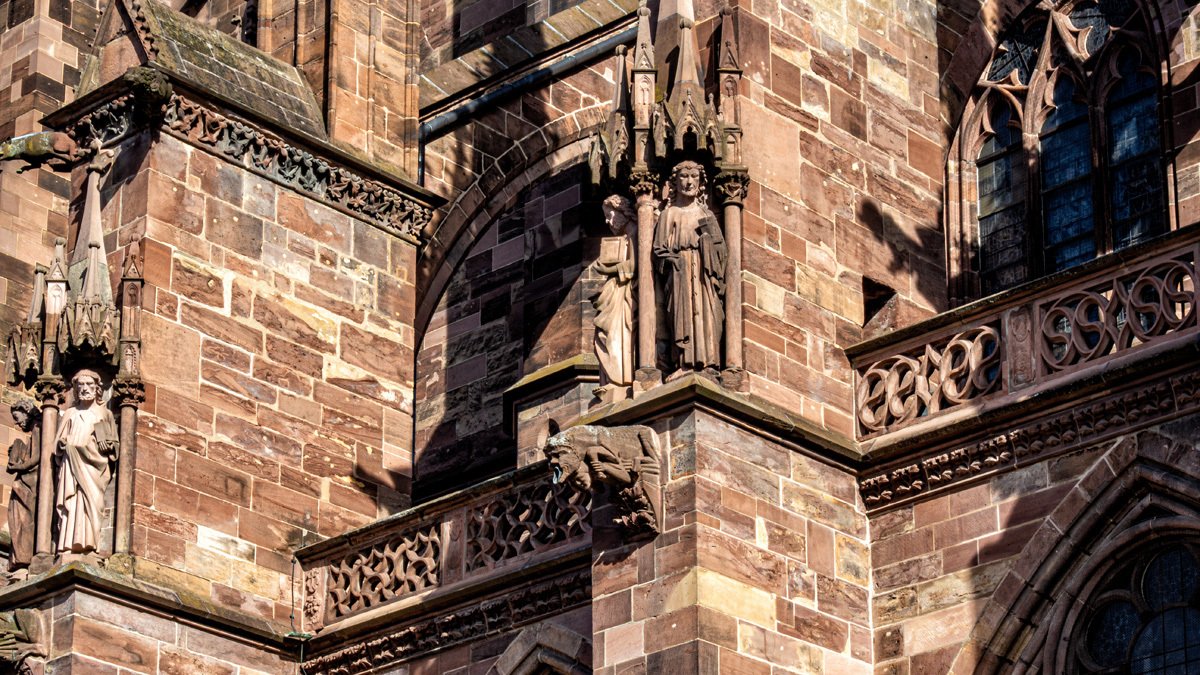
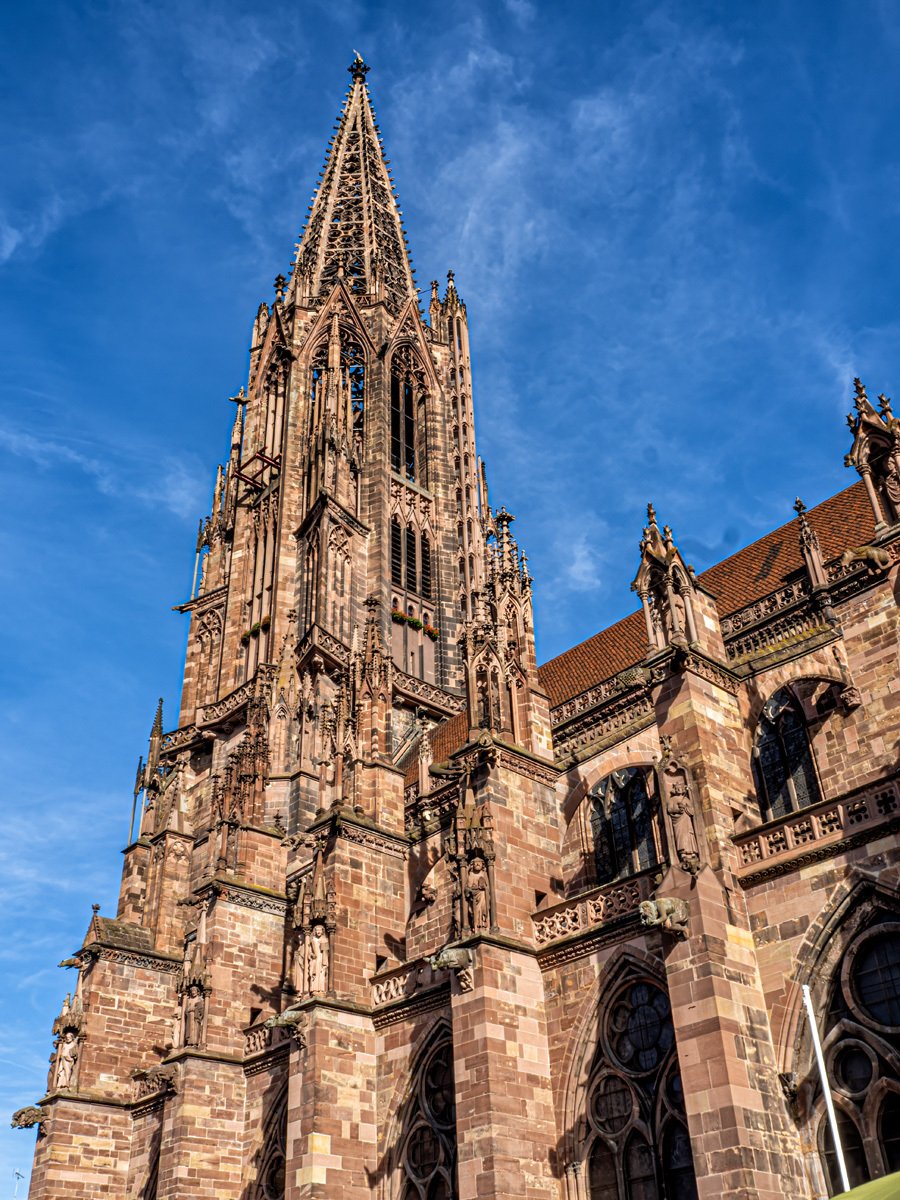
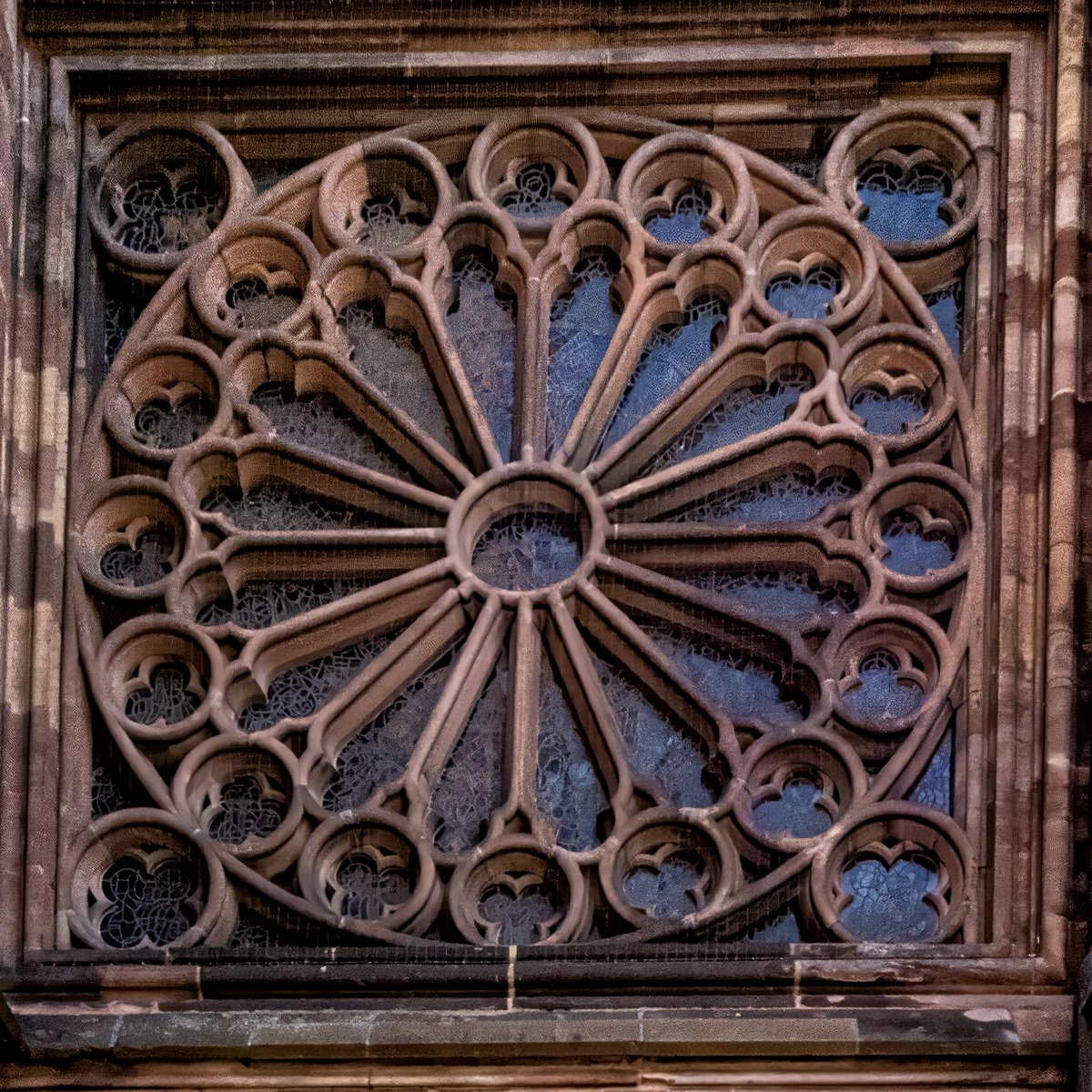
The Freiburg Minster (Münster) is indeed a mighty fine cathedral. When its 116-meter spire was completed in 1330, it was considered the tallest building in the world for a time ⛪. Even more remarkable, it’s the only Gothic cathedral in Germany built and finished in the Middle Ages that still stands in its original form. The stained glass windows glowed in the morning light—many of them were saved before the bombing and then returned after the war.
After wandering inside, we popped over to the Tourism Office to book a walking tour for the afternoon. But first—coffee for Peggy ☕ (duh) and a bowl of Spaghetti Eis for me 🍨. Germans take ice cream to another level: mine came with strawberry sauce and so many fresh fruits it would be quicker to list the ones not in my bowl.
Then it was time to meet our guide Michael, who led us through the cobbled lanes. He explained everything from the medieval water gutters called Bächle 💧—once for fire prevention and drinking water, now more of a tourist hazard—to the history of local trades. One curious tidbit he shared: goiter disease (a swelling of the thyroid) was once common in this Alpine region due to iodine deficiency in the diet. Thankfully, that’s a thing of the past!
By the end of the tour, we felt like we’d uncovered the layers of Freiburg’s past—a city bombed to near oblivion, yet still proudly anchored by its cathedral and traditions.