Originally published on September 22, 2025.
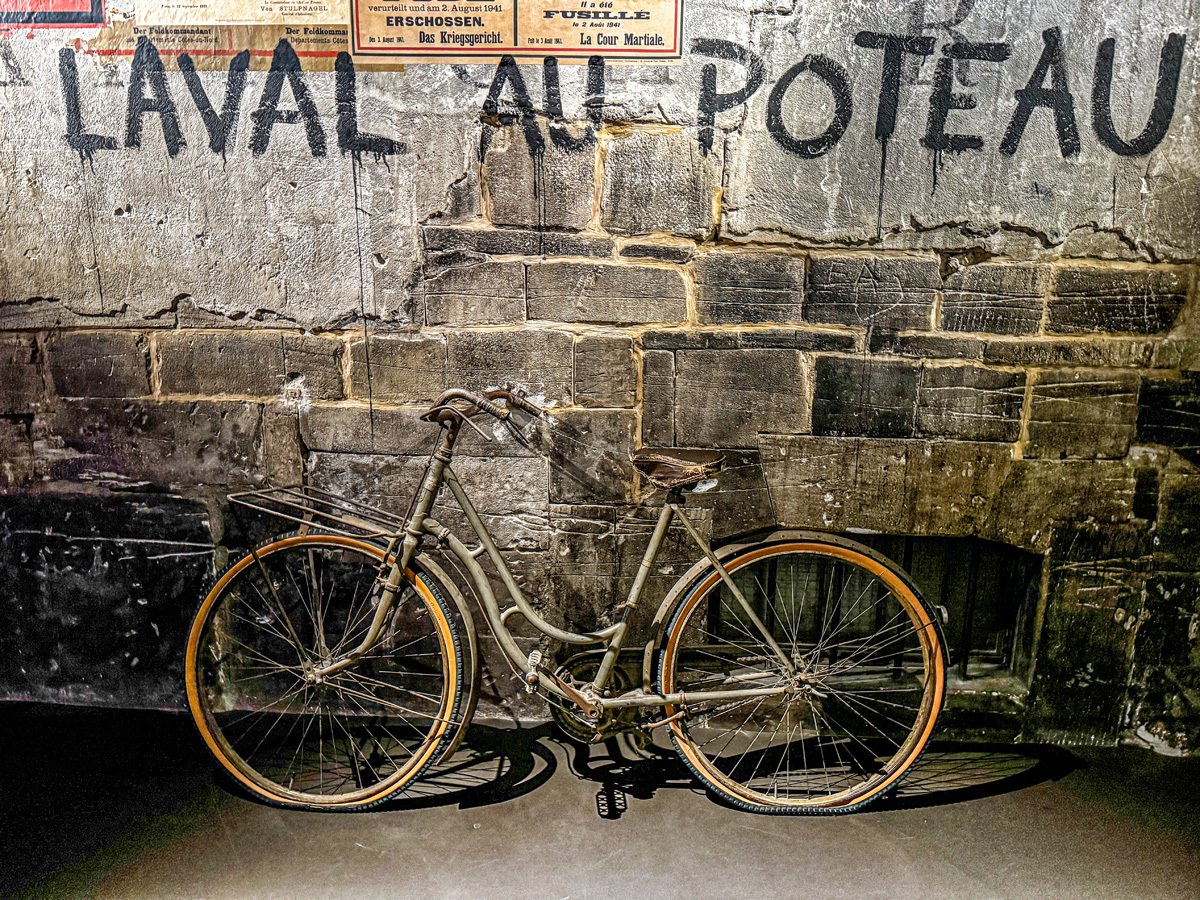
We started the day in Caen at the Mémorial de Caen, a museum that is much more than just a collection of artifacts. Caen itself was the site of a fierce battle after D-Day, with the city almost entirely destroyed during the summer of 1944. The museum focuses not only on the events of World War II but also on the broader story of the 20th century, framing the conflict as part of a larger struggle for peace and human rights. The exhibits trace the rise of fascism, the occupation of France, the Resistance, and the eventual liberation. Thoughtful displays of personal stories, photographs, and documents make it deeply moving, while its mission is forward-looking: to understand war in order to build peace. We also explored the Cold War wing, which examines the decades-long standoff between East and West, complete with film footage, propaganda, and even a section of the Berlin Wall.
From there we headed to Sainte-Mère-Église, a town forever linked with the story of paratrooper John Steele, whose parachute caught on the church steeple during the D-Day landings. Today, a mannequin still hangs from the tower in his honor. Just across the square is the Airborne Museum, one of the best in Normandy, where you can walk through life-size recreations of C-47 aircraft and a glider used in the landings. The museum brings the story of the 82nd and 101st Airborne Divisions vividly to life, with personal gear, letters, and testimonies that highlight the incredible bravery—and heavy sacrifices—of the paratroopers dropped behind enemy lines.
On our way back, we stopped in Bayeux for a quick look at the magnificent Cathédrale Notre-Dame. Built in the 11th century, it was consecrated in 1077 in the presence of William the Conqueror. Bayeux holds the rare honor of being the first city in France liberated after D-Day and, remarkably, survived the war almost untouched. The city is also home to the world-famous Bayeux Tapestry, an embroidered masterpiece nearly 70 meters long that depicts the Norman Conquest of England in 1066. We had seen it on our visit three years ago, but it is currently being prepared for a major exhibition in London. Even so, just standing in Bayeux, with its medieval streets and proud cathedral, feels like being in a city that has been at the crossroads of history for nearly a thousand years.
All in all, it was a day filled with reflection, remembrance, and the enduring reminder that peace is precious.


