Originally published on September 13, 2025
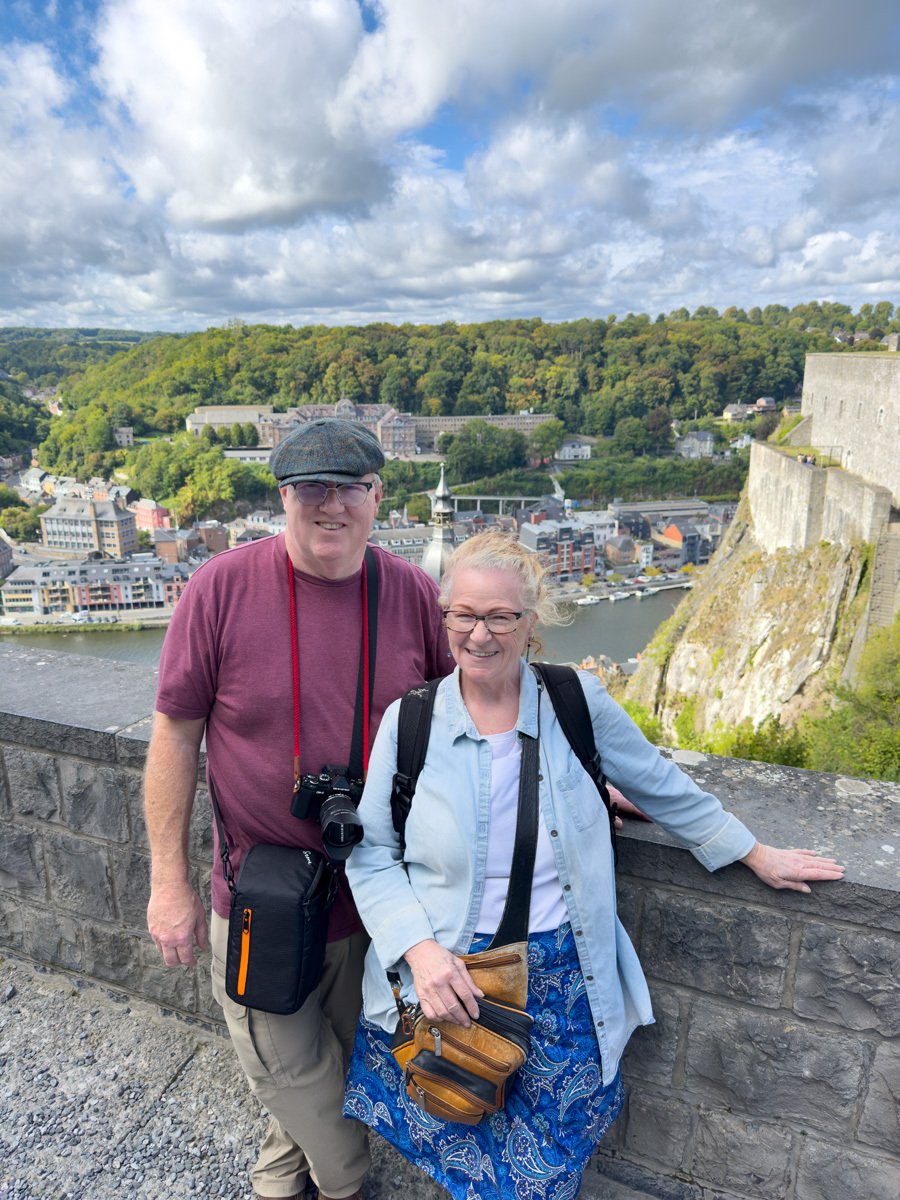
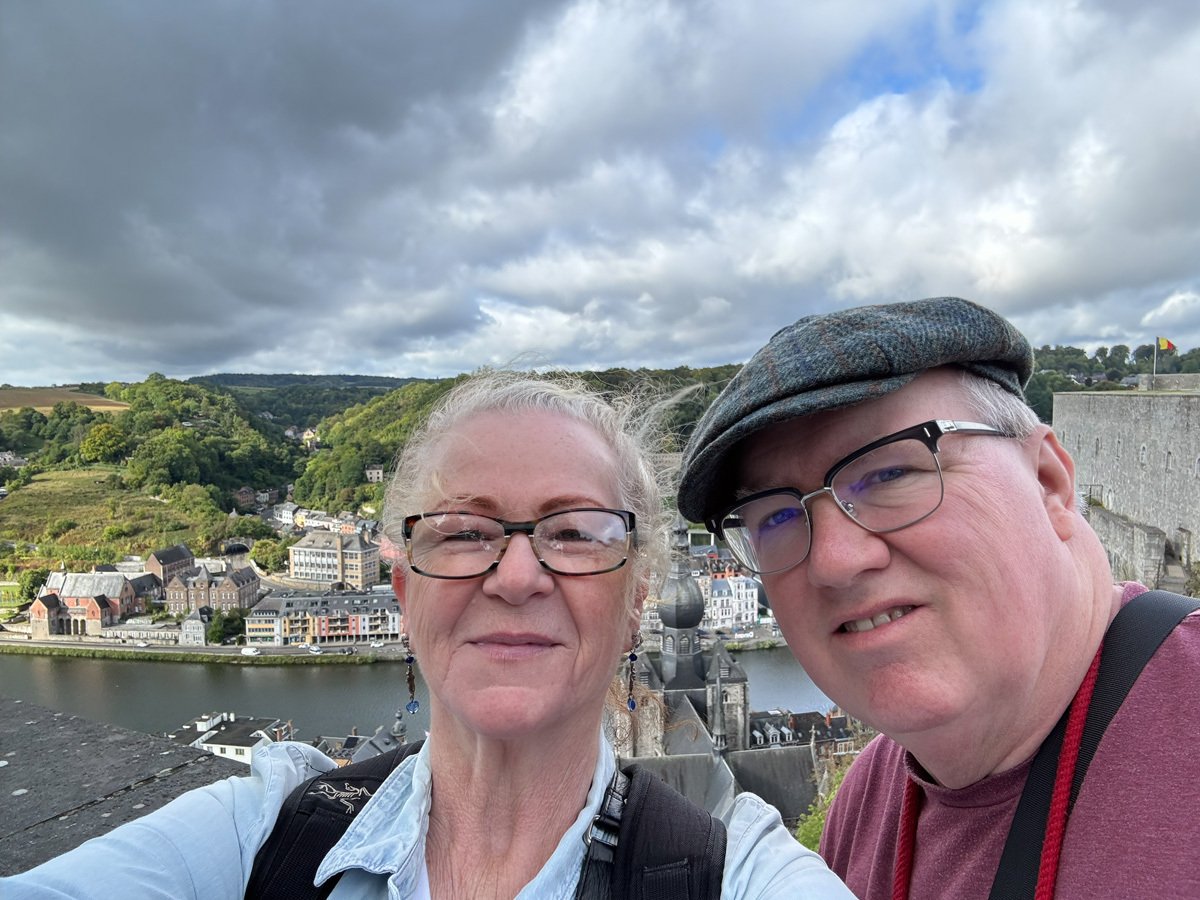
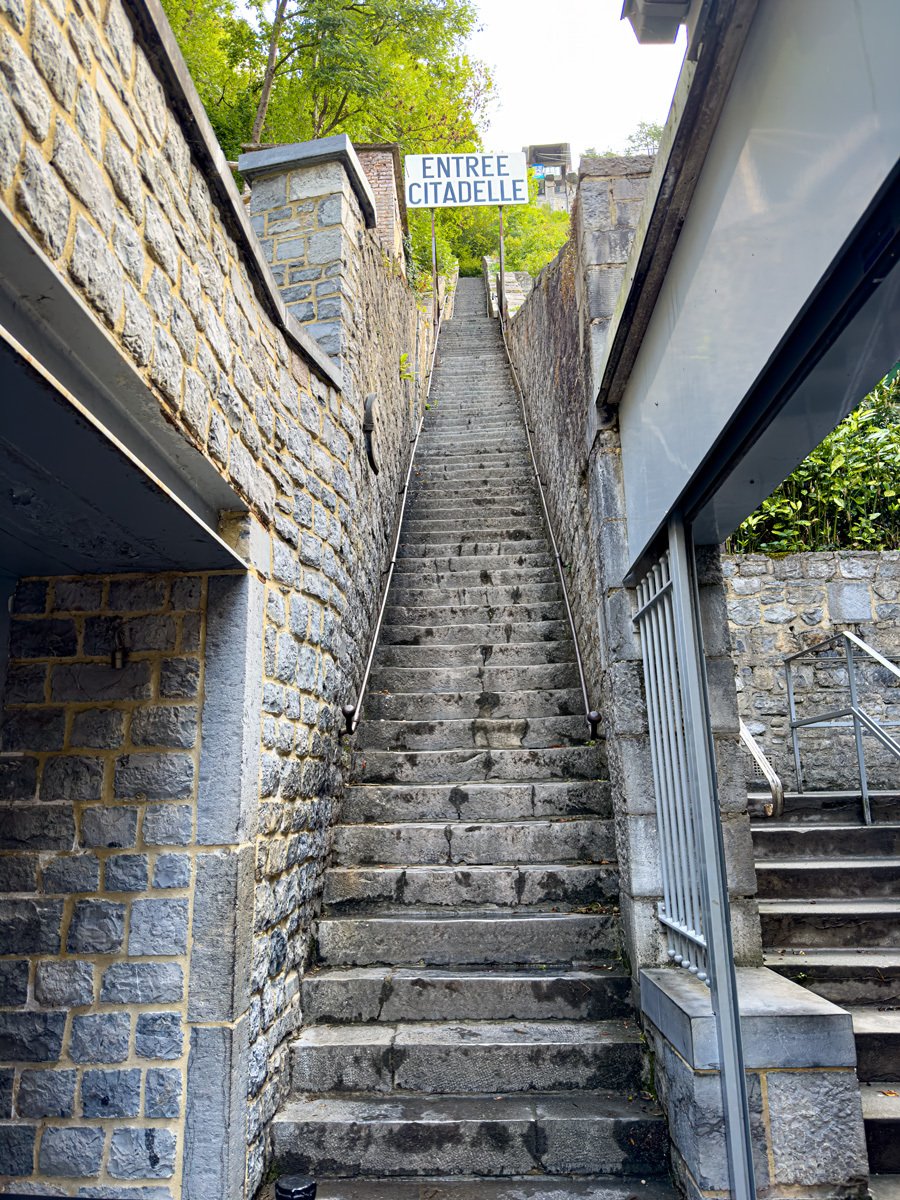
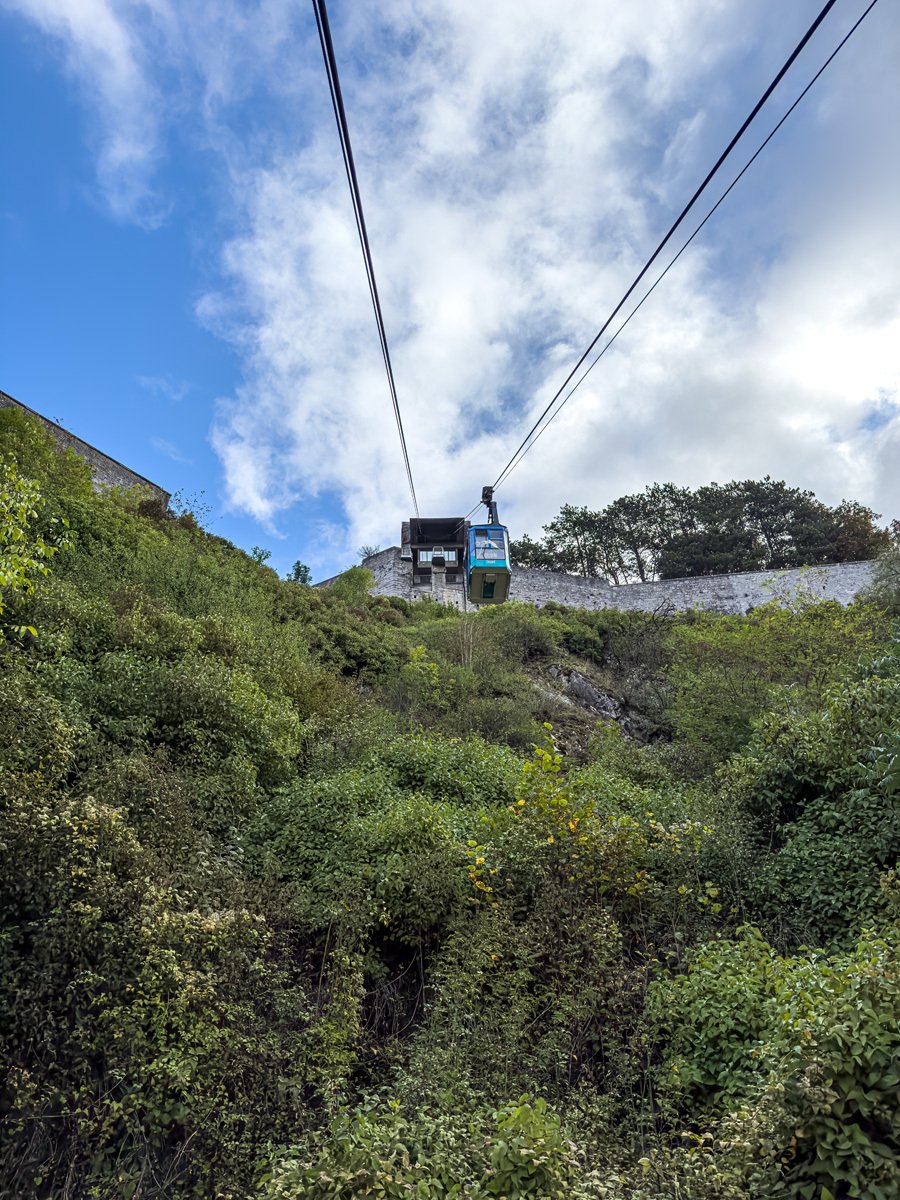
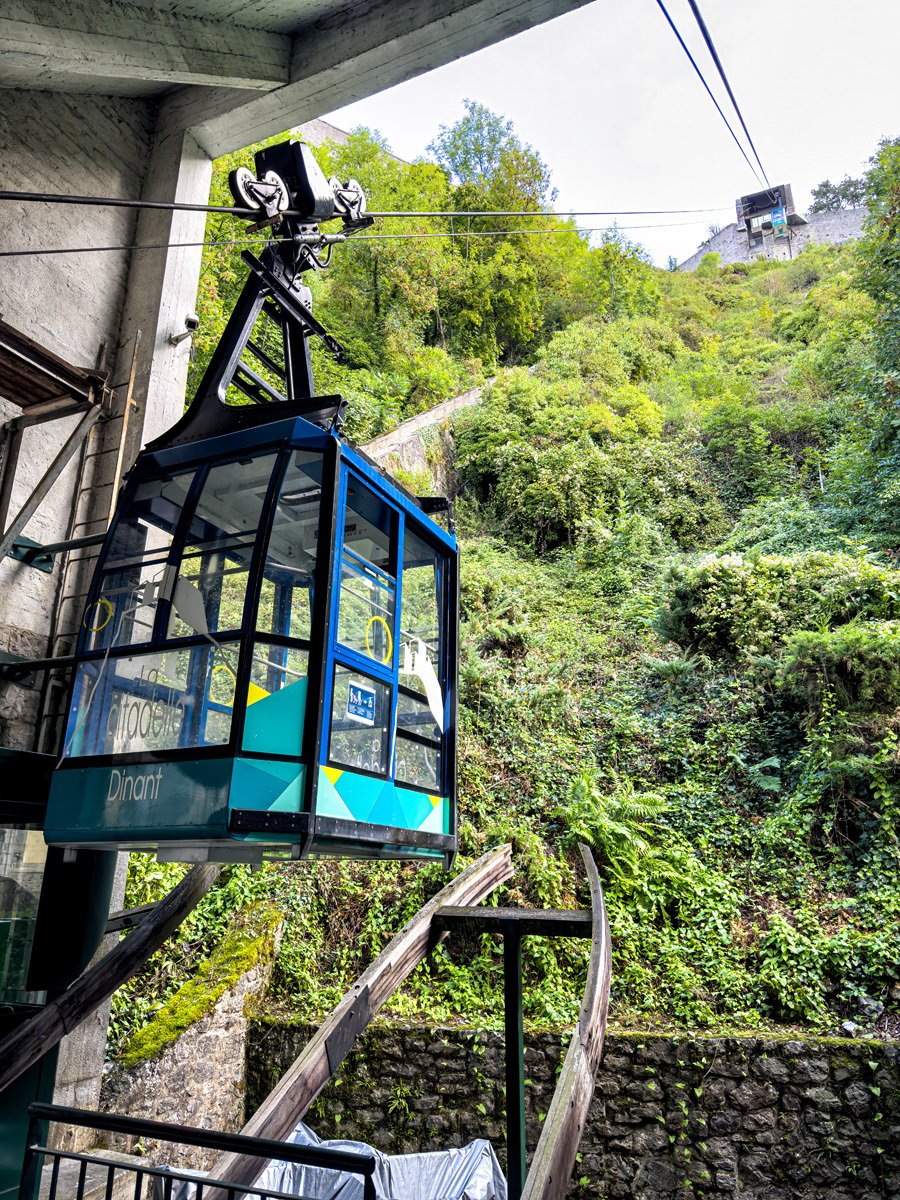
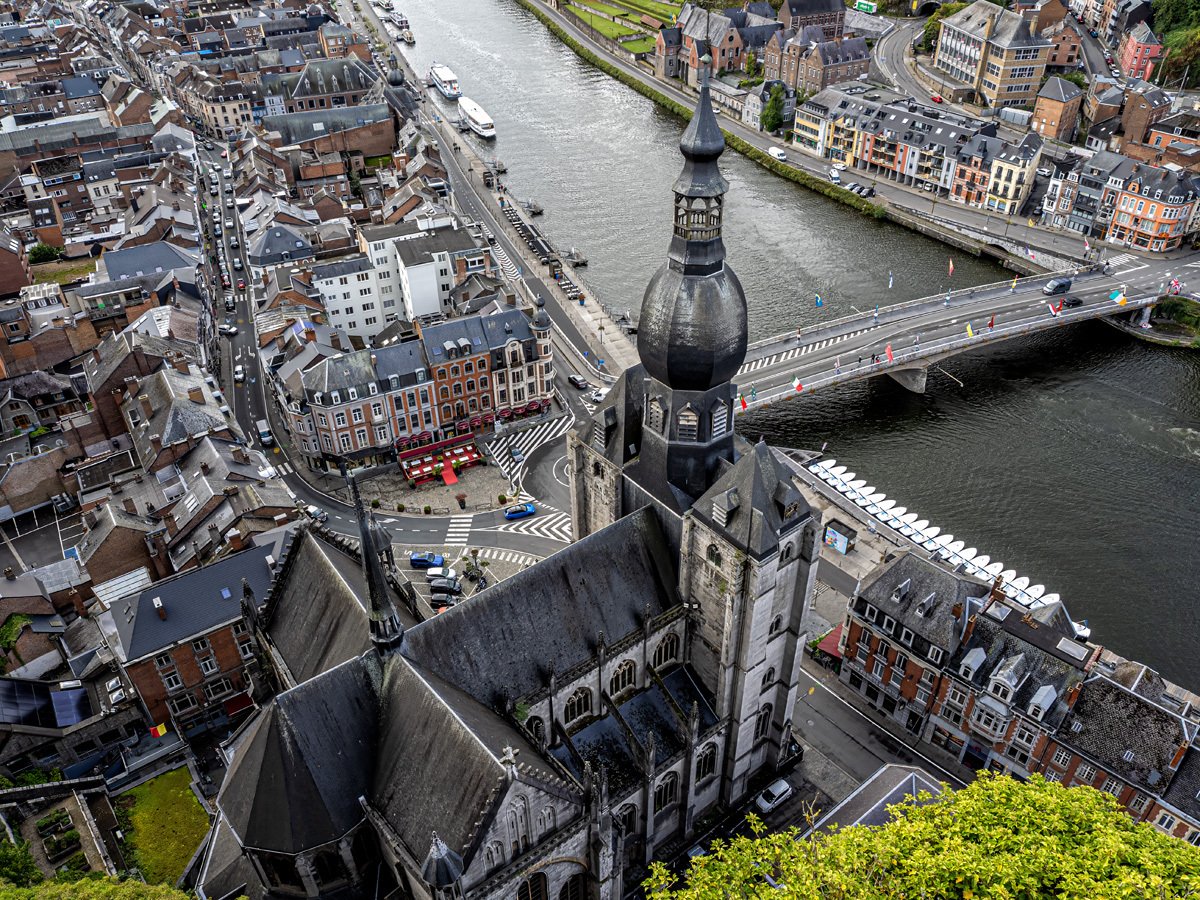
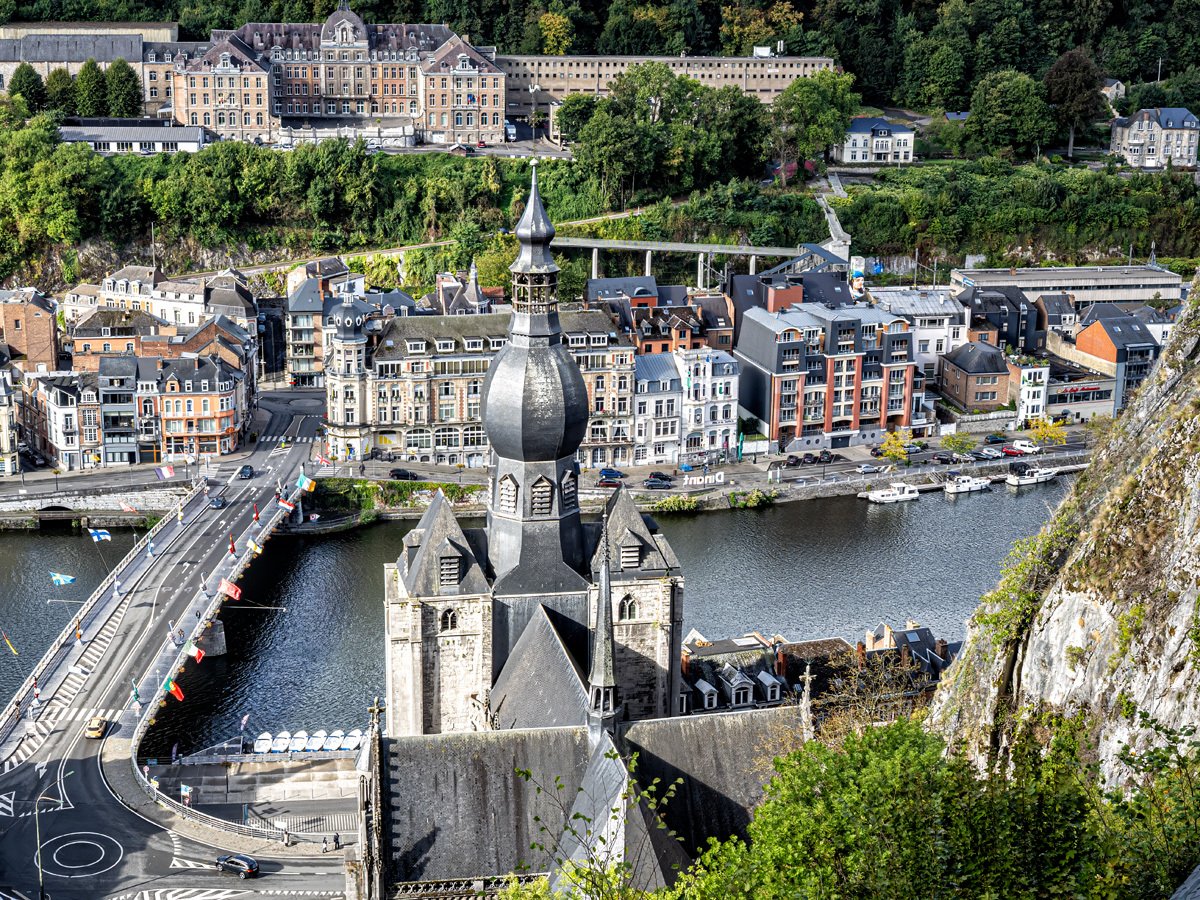
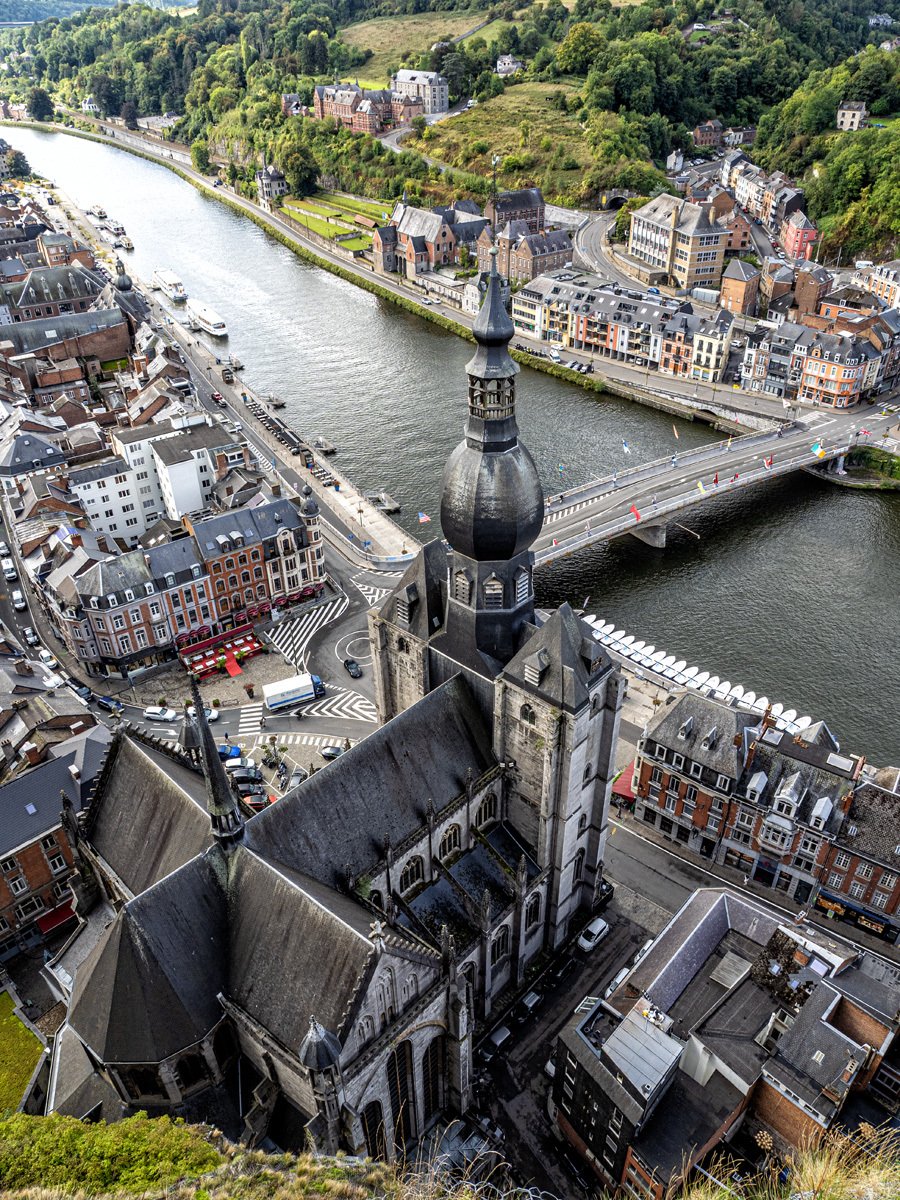
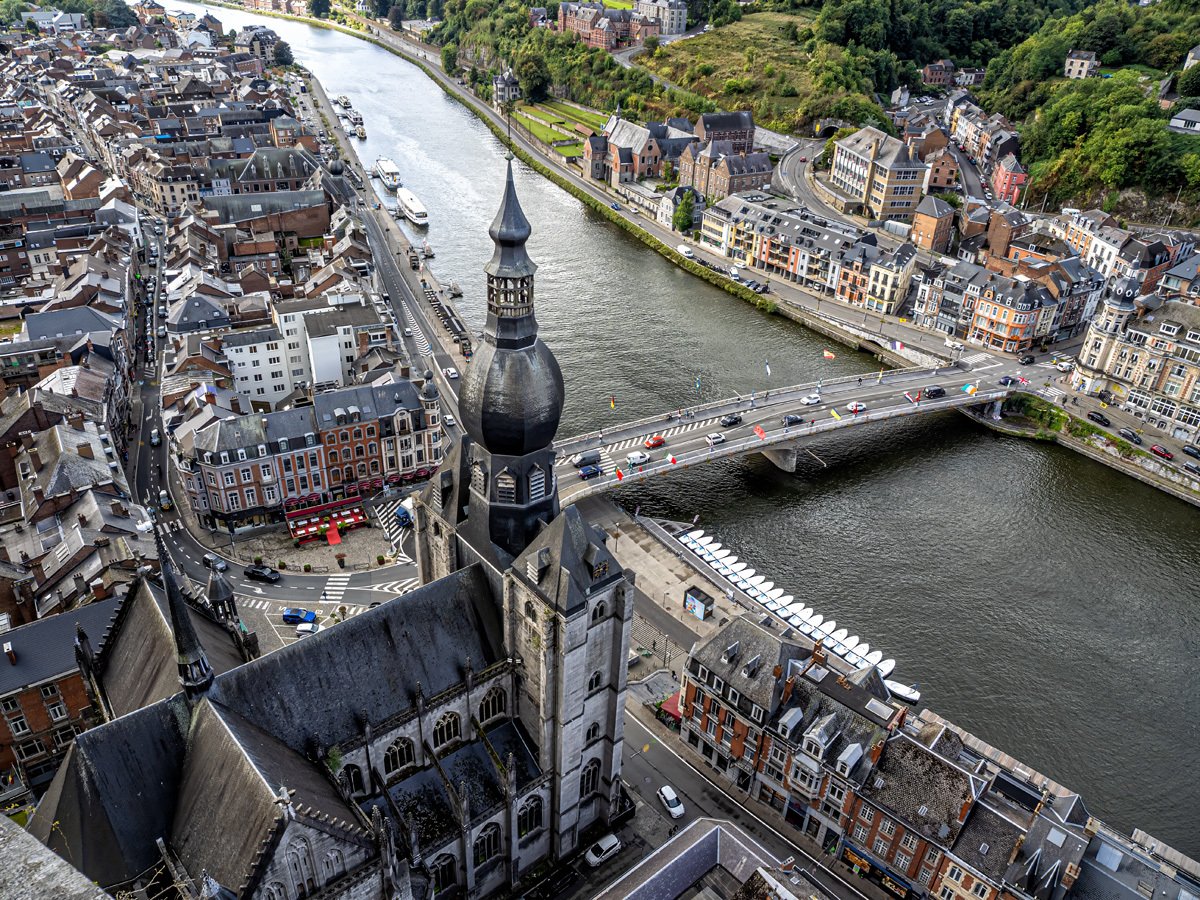
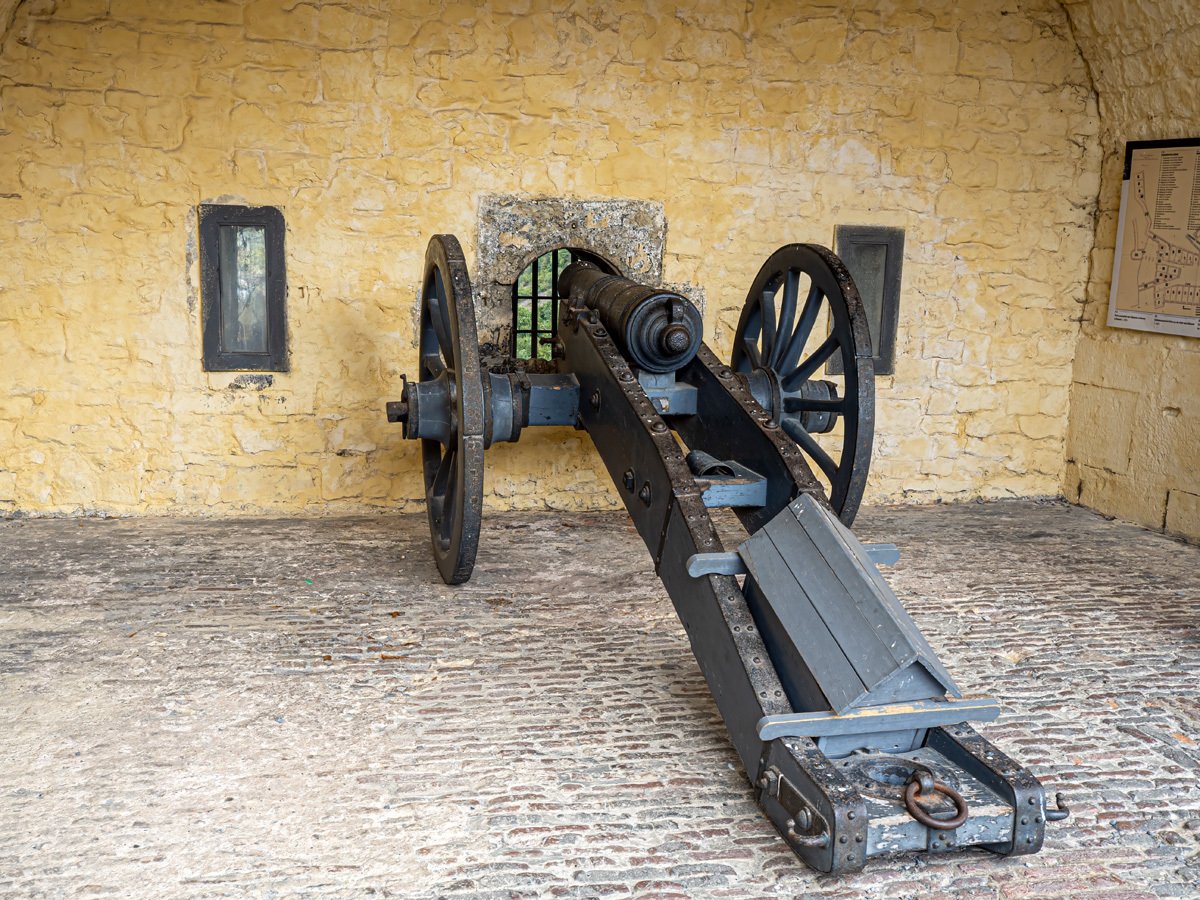
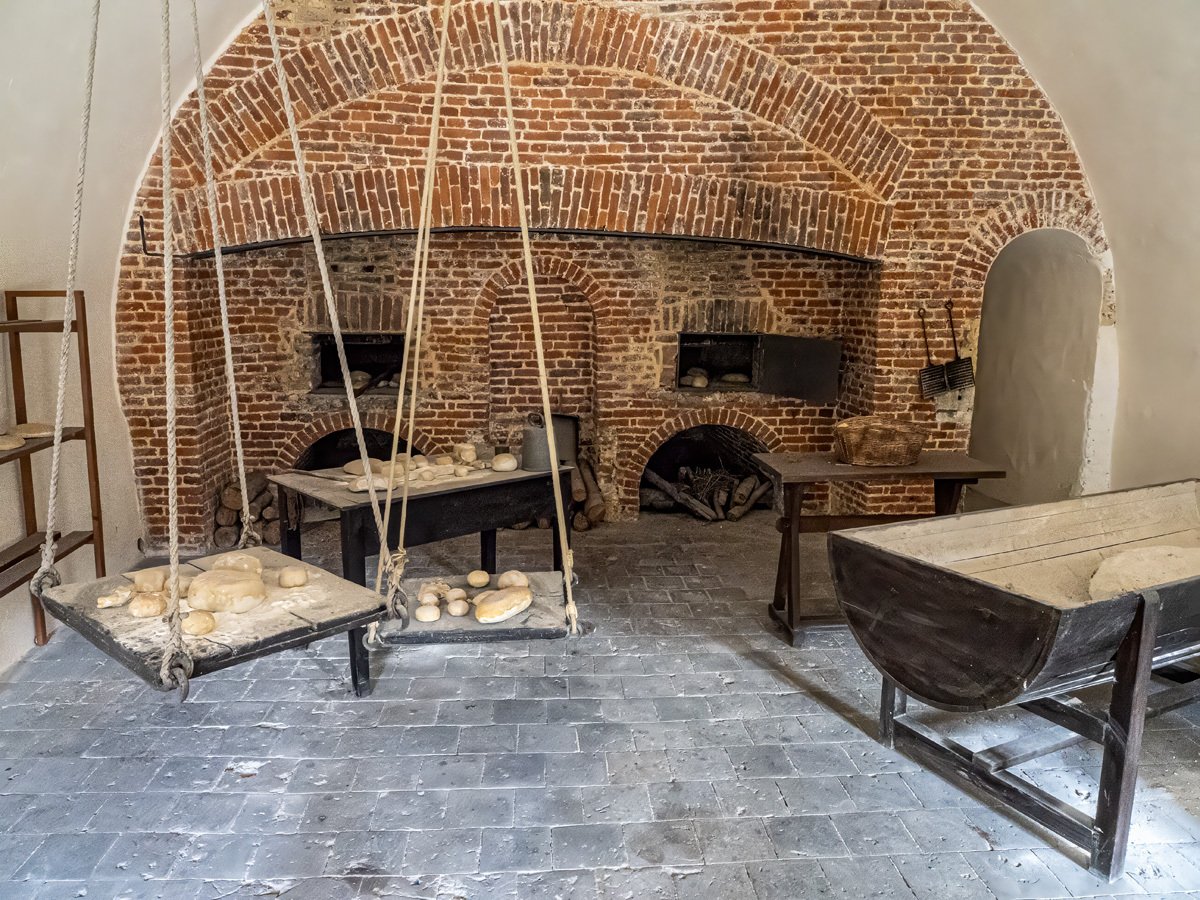
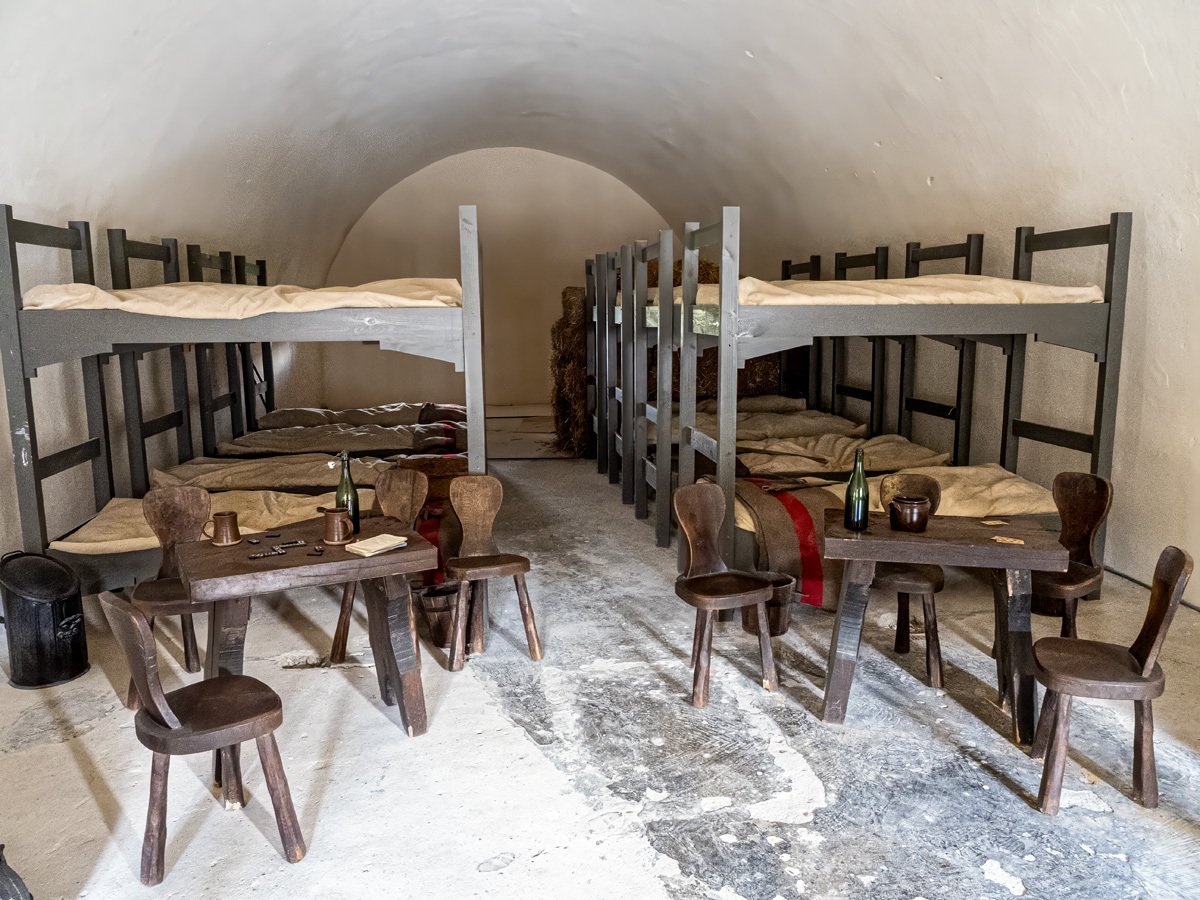
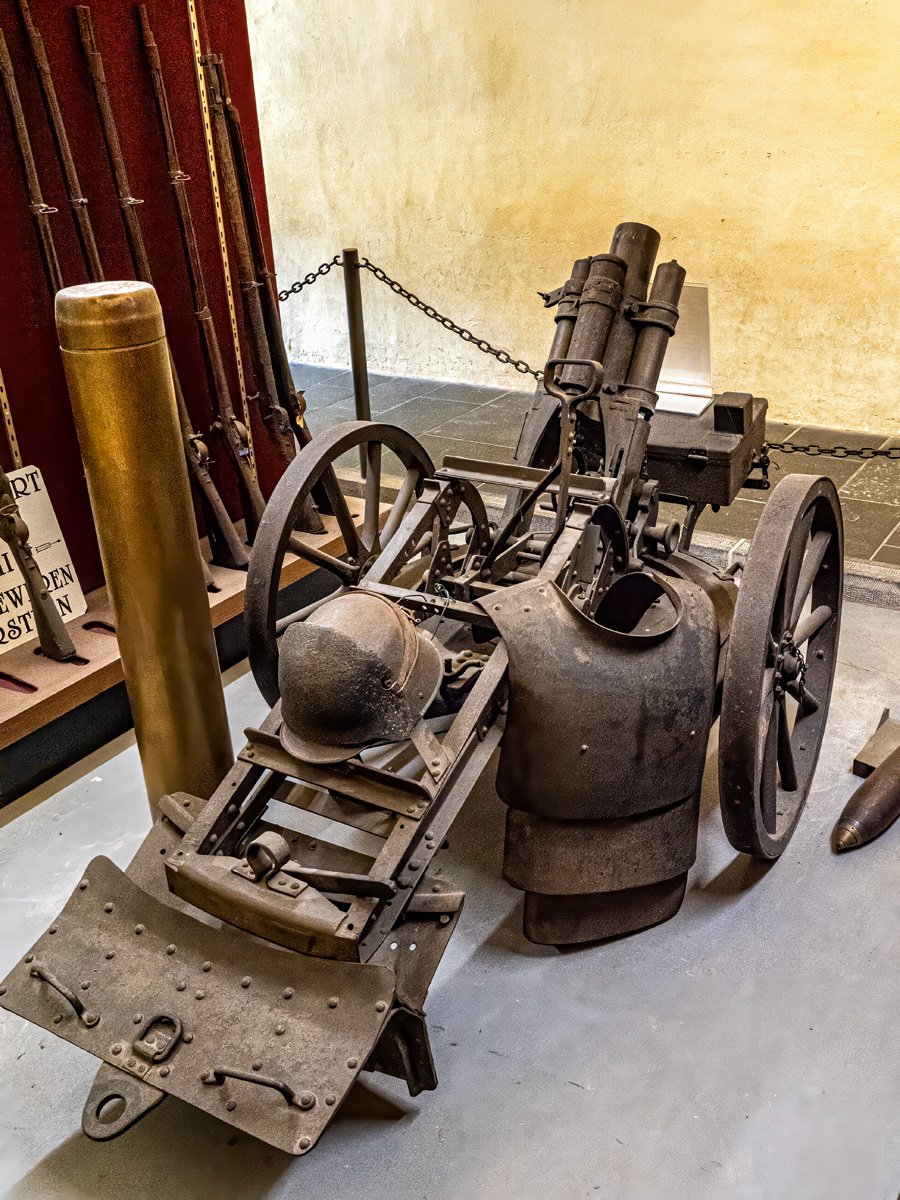
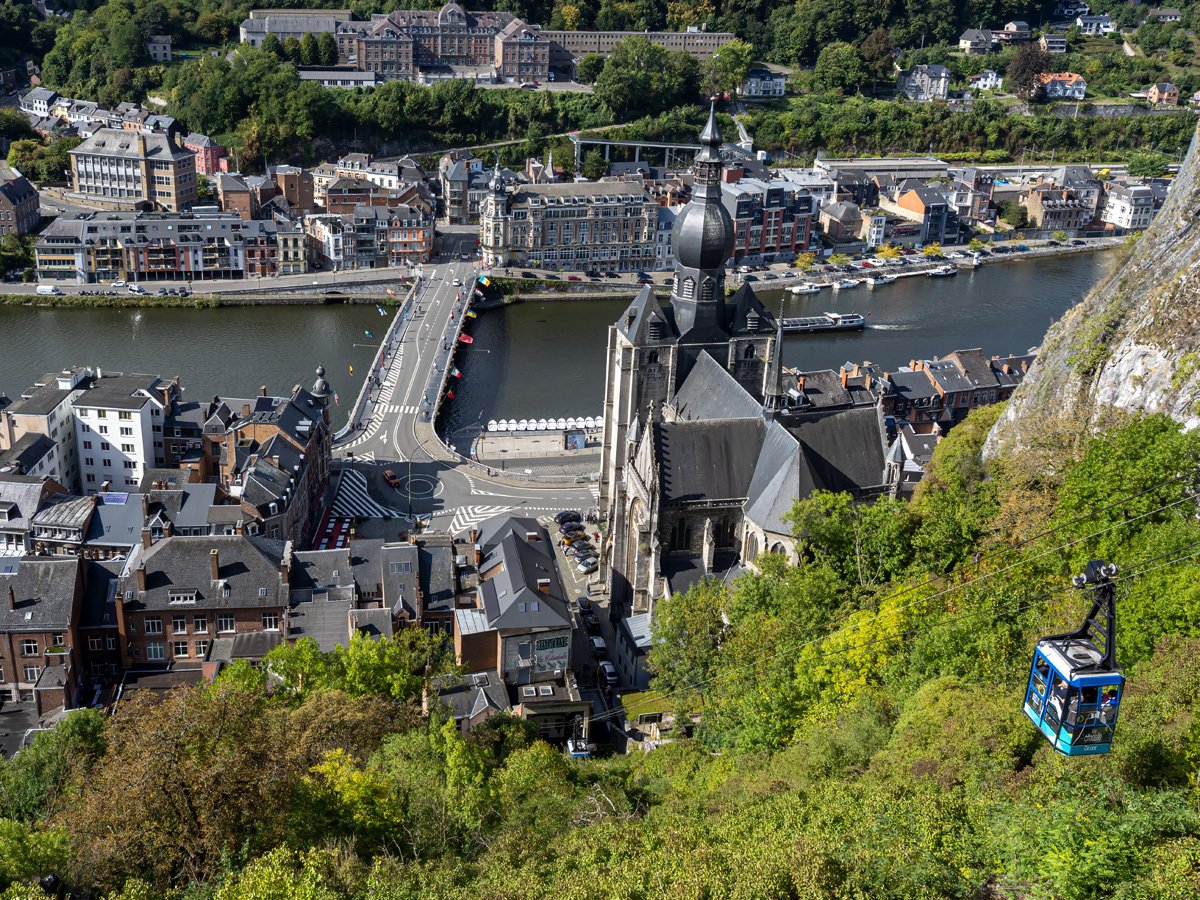
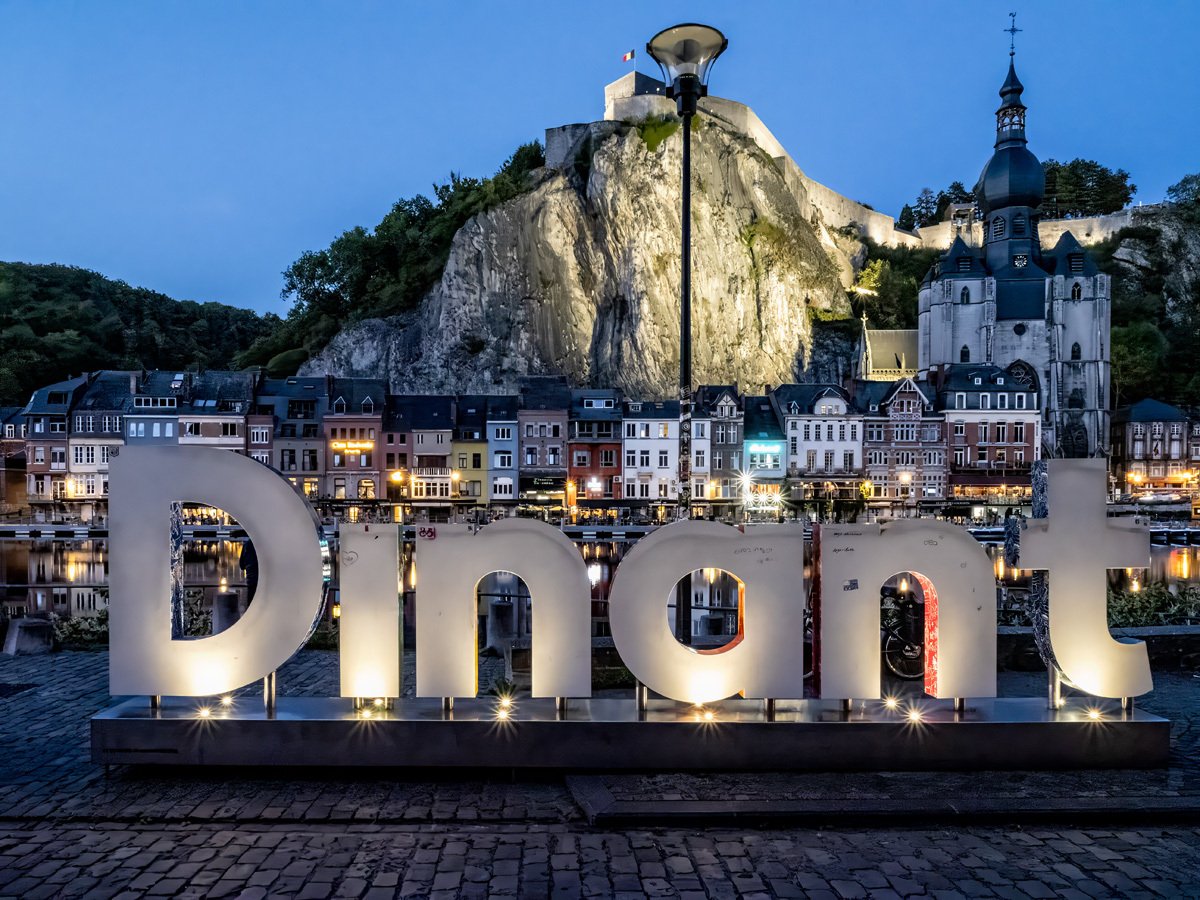
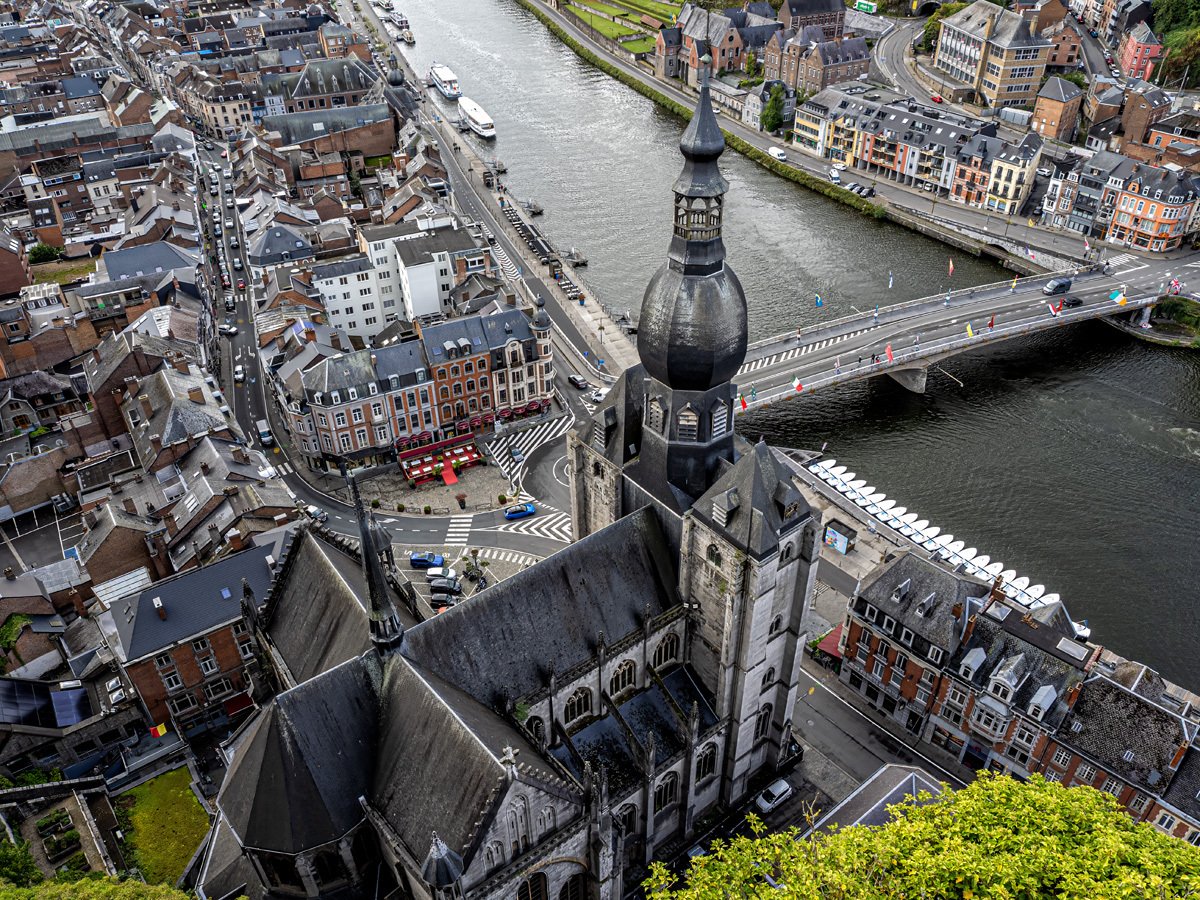
The other part of our day was spent taking the cable car up to the Dinant Citadel, a far better option than tackling the 400+ steep steps. Perched high above the town, the fortress has guarded Dinant since the 11th century, though its current form was rebuilt by the Dutch in the early 1800s. During World War I it played a tragic role—French troops tried to stop the Germans from crossing the Meuse River here in August 1914. The Germans eventually stormed through, destroying much of the city. Dinant became infamous for the massacre of over 600 civilians, one of the worst atrocities of the war. The Citadel now houses exhibits on that period, including a reconstructed trench that became a tourist draw almost immediately after the fighting ended. Honestly, the best part of going up there today was the sweeping view of the town, the river, and the church below.
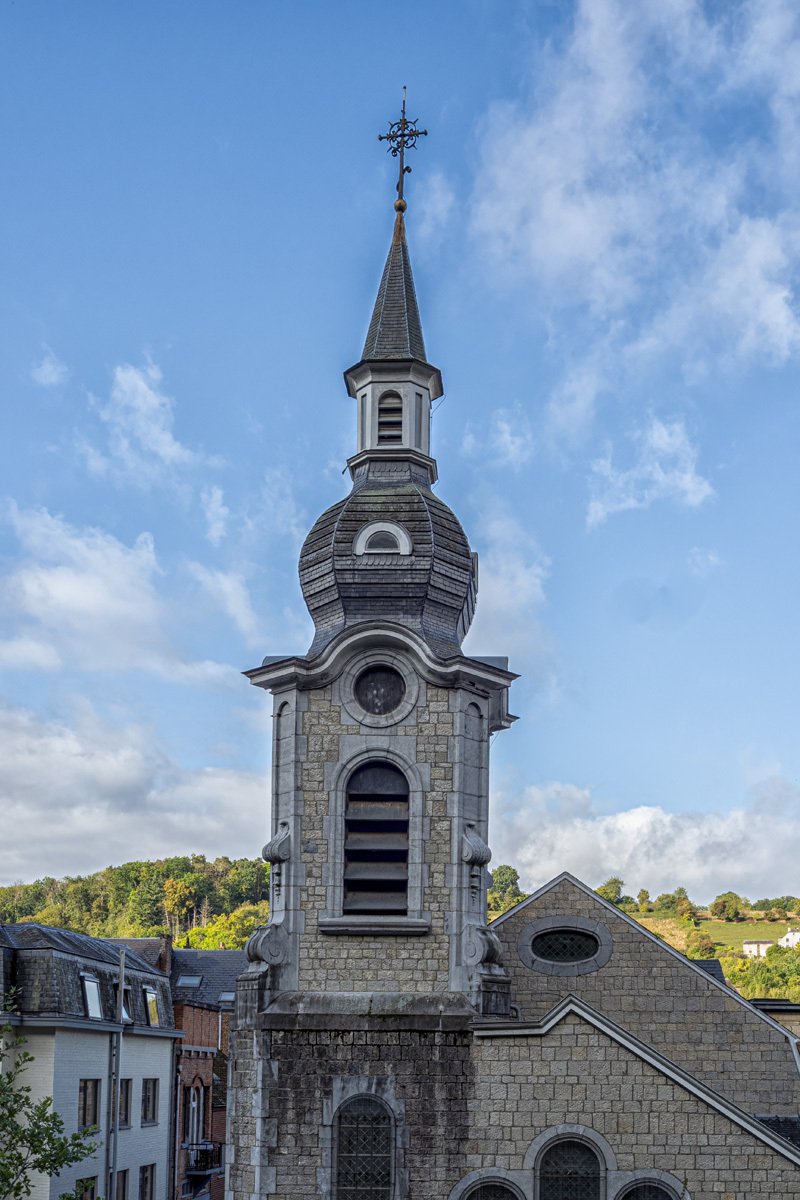
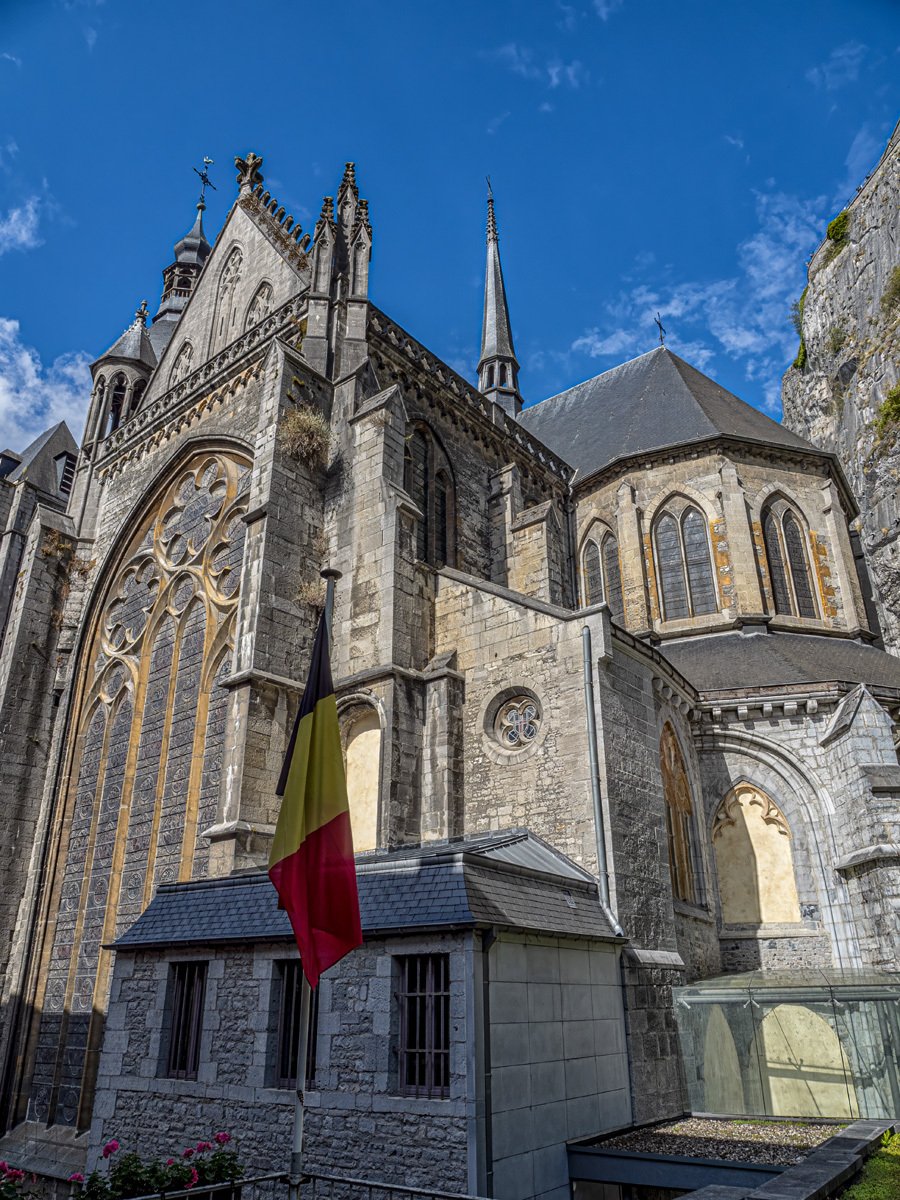
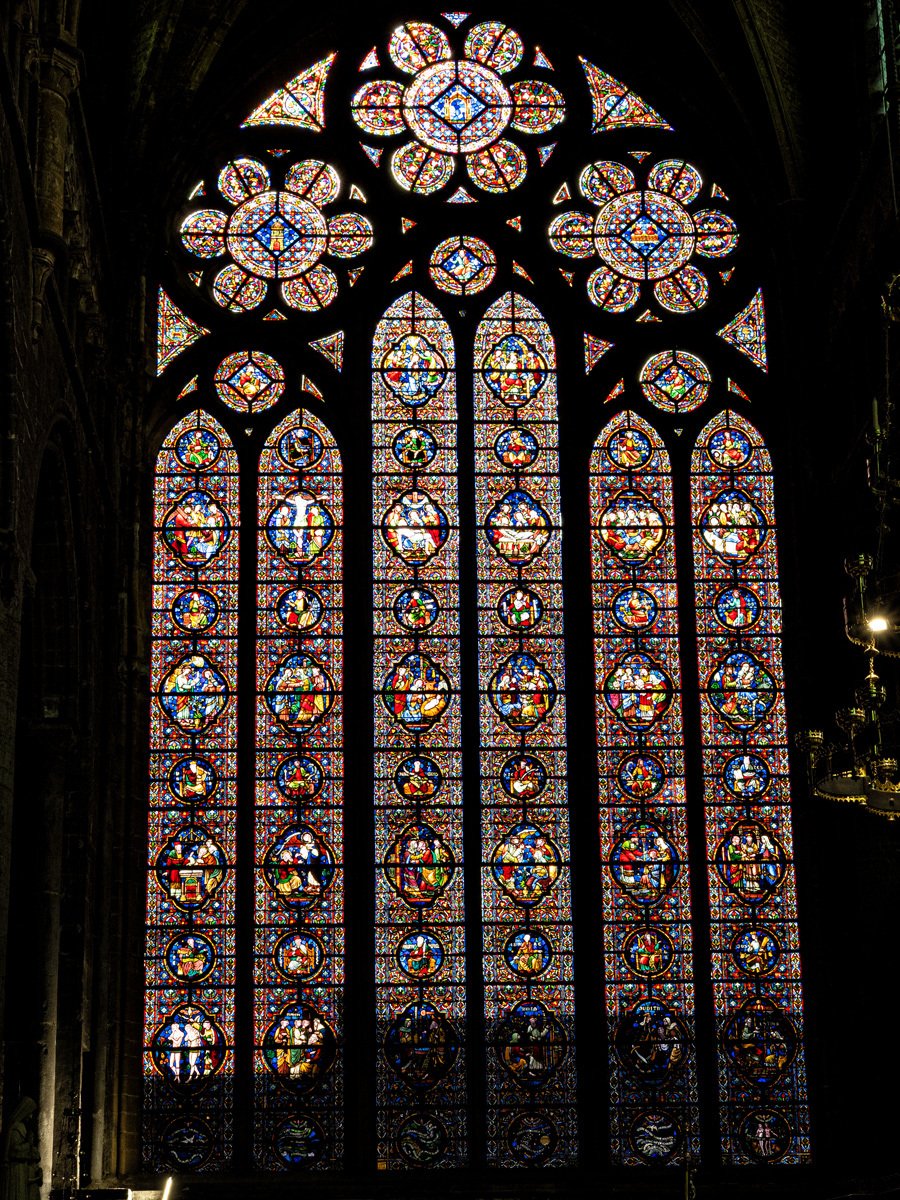
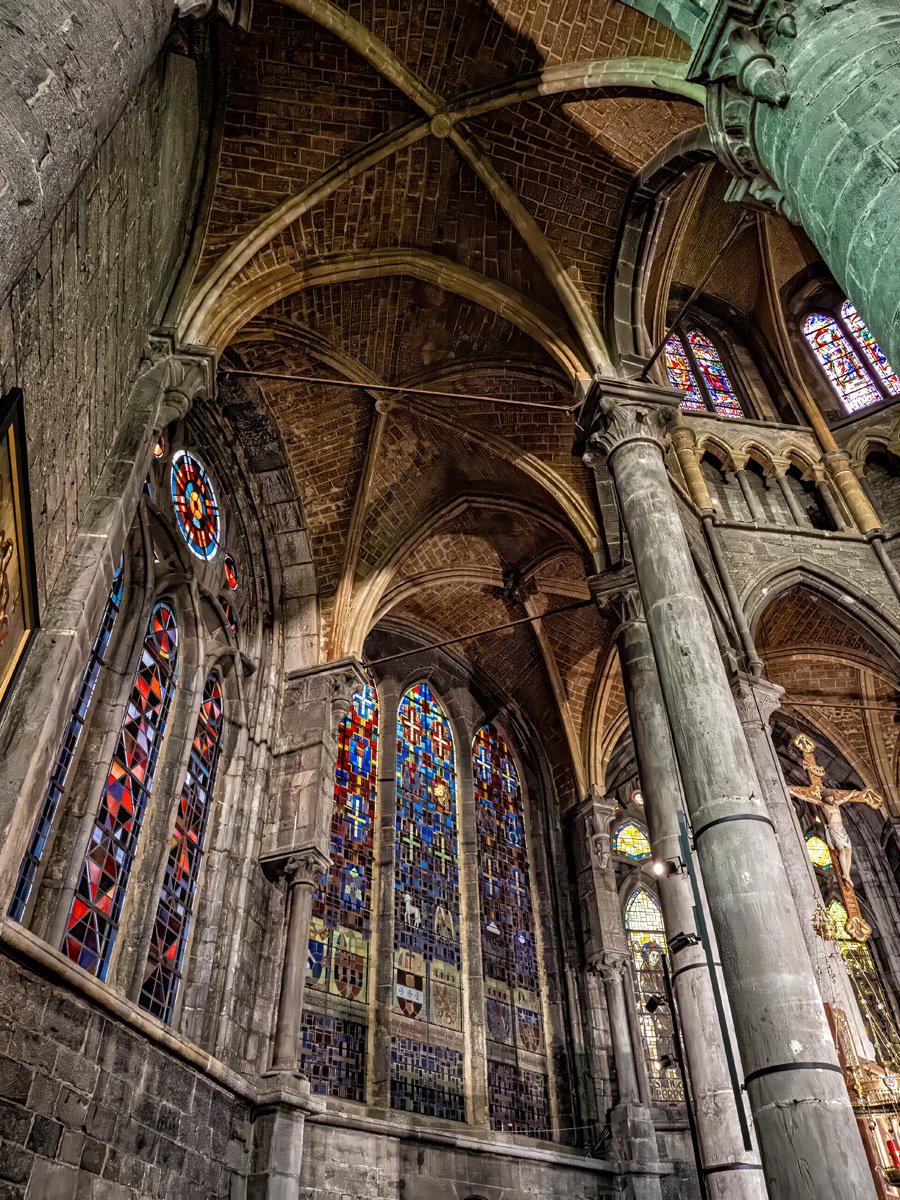
Back down at street level, we stepped into the Collegiale Notre-Dame. A christening was underway, so we waited respectfully before exploring. The church, with its unmistakable onion-shaped bell tower, was originally built in the 13th century after a cliff collapsed onto the earlier Romanesque structure. Inside, the real showstopper is the massive stained glass window by Belgian artist Gustave Ladon, created in 1903. It’s considered one of the most beautiful examples of neo-Gothic stained glass in Europe. Of course, I couldn’t resist taking another ceiling pano shot—Peggy was worried I’d pass out from tilting back so far. Some ceilings are worth the risk.